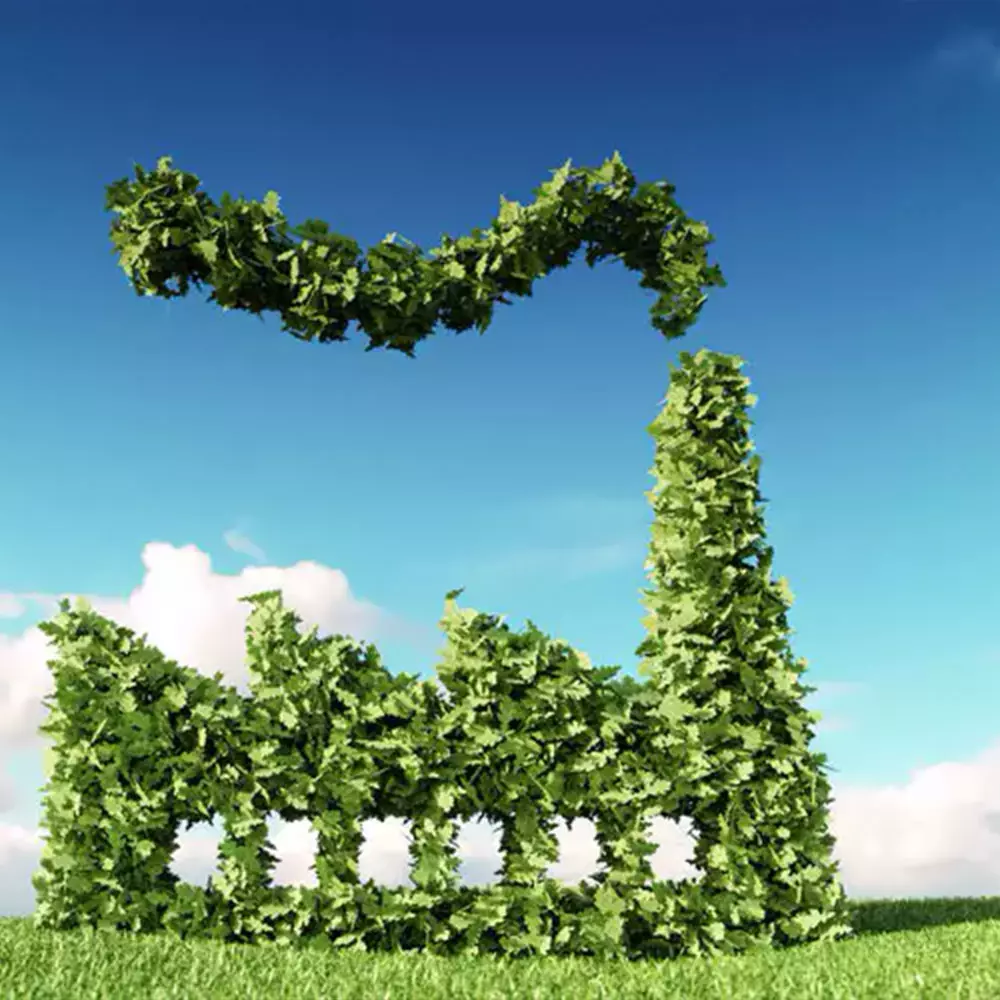
Clean energy has become one of industry’s main concerns in the 21st century. Climate change and drought are forcing us to rethink how we produce and use energy, and in this context a key concept has emerged for most industries: decarbonization.
What is decarbonization?
Decarbonization covers the actions that eliminate or reduce the use of fossil fuels, which contain carbon in their molecular structure and whose combustion releases energy, pollutants that harm human health and ecosystems, and greenhouse gases.
The most abundant greenhouse gas produced by human activity is carbon dioxide (CO₂), which contributes to warming of the Earth’s surface with consequences for the global climate. That is why, over the past decade, governments and companies worldwide have focused on reducing their carbon footprint and moving toward cleaner energy sources.
How does electric heating help reduce the carbon footprint?
Much of the heat used in industry is still generated by burning fossil fuels in boilers, burners or gas and diesel heaters. Replacing that equipment with electric heaters eliminates emissions at the point of use and, when the electricity comes from renewable sources, drastically reduces the carbon footprint of the process.
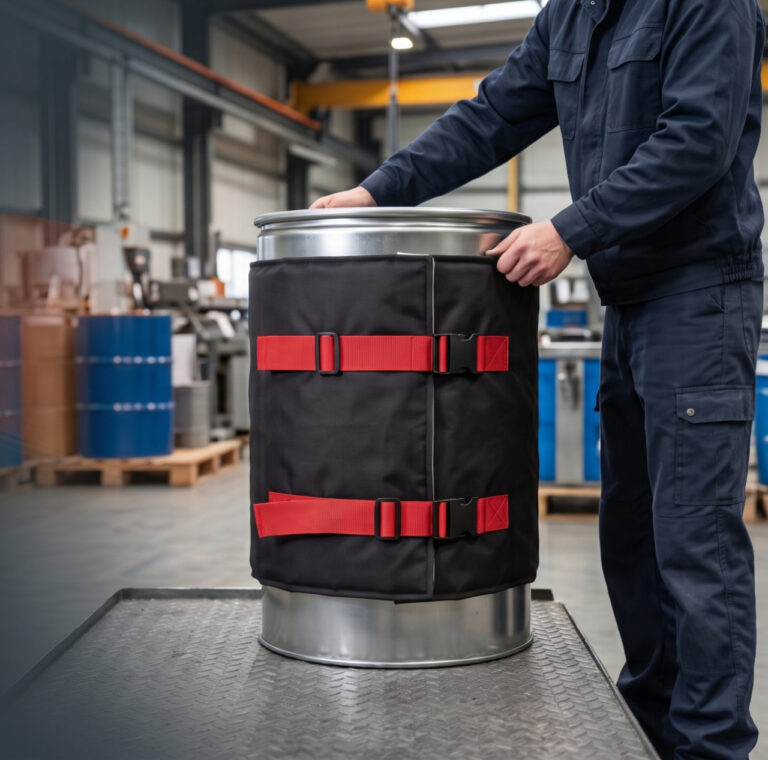
Electric heaters work thanks to the Joule effect: when current passes through a resistive element, electrical energy is converted into heat. The first applications of this principle date back to the 19th century, such as the incandescent lamp. Today electric heaters have countless household and industrial uses: heating water, oil, lubricants and acid solutions, radiant heating and many more in sectors such as mining, food, chemicals and plastics.
Examples of heat electrification
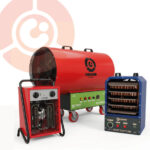
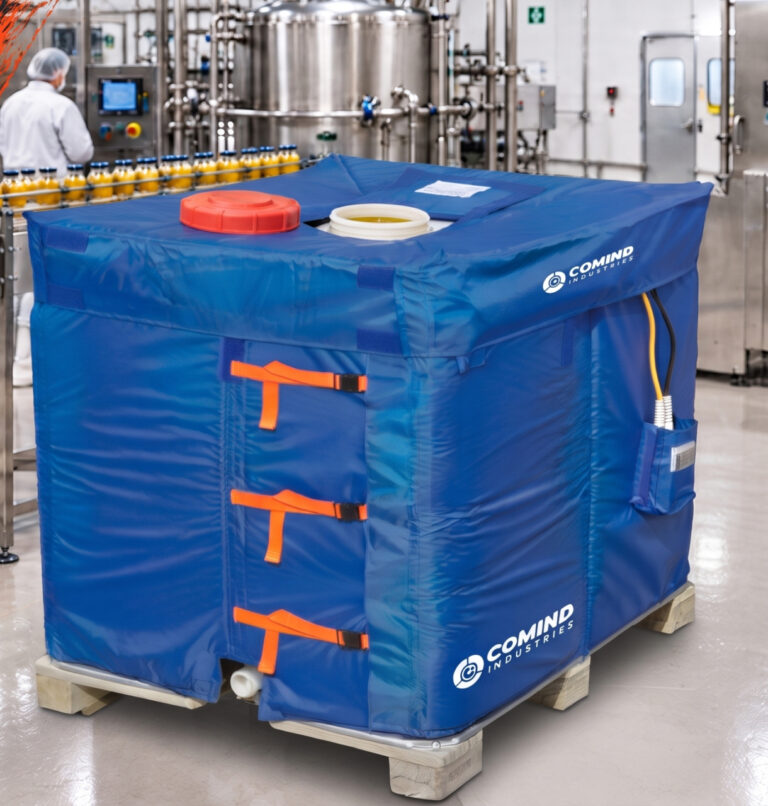
Comind Industries offers a wide range of products for generating heat with electricity. Projects and solutions we have developed include:
- Heating of water and thermal fluids with immersion heaters.
- Space heating for buildings and workshops in extreme climates with unit heaters and blowers and radiant heat panels.
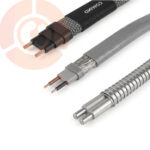
- Temperature maintenance in pipes and tanks with heating cables.
Our commitment
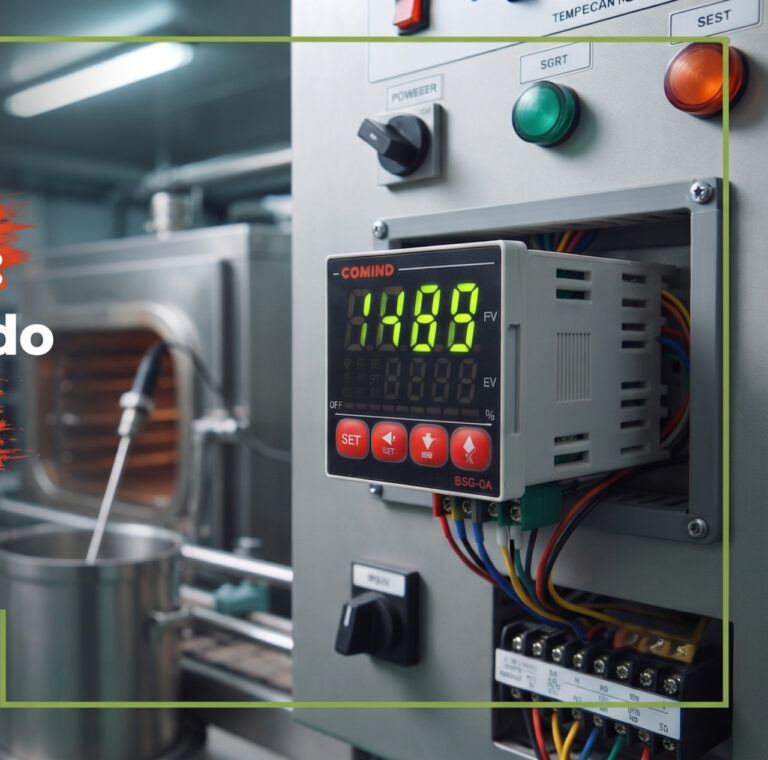
Our philosophy is to help our customers reduce their carbon footprint. That is why we don’t just manufacture equipment: we also integrate it with control systems that optimize energy use and make sure heat is used only where and when it is needed. To learn more, read our key energy tips to optimize consumption in industry.
Want to electrify your process?
Contact us and tell us about your project: we will help you assess how to replace combustion equipment with electric solutions.