In modern industrial processes, the continuous flow of liquid, viscous or semi-solid substances is the backbone of production. When ambient temperatures drop or fluids lose their optimal temperature, viscosity rises sharply or the fluid solidifies completely, causing pipe blockages, severe pump damage or unplanned plant shutdowns.
Proper industrial temperature control is not just a matter of operating comfort; it is a critical engineering requirement. In this article we explain what the reliquefaction (melting) temperature is, how it affects key sectors such as mining, food processing, fishing and beekeeping, and which industrial electric heating technologies keep operations running.
1. What is the reliquefaction temperature and why is it critical?
The reliquefaction temperature (often called melting point, resolidification point or pour point) is the specific thermal threshold at which a fluid changes from a solid, semi-solid or highly viscous state to a liquid state that can be pumped, transferred and processed.
Why is it critical in industry?
- It prevents mechanical blockages: a fluid that solidifies inside a steel pipe creates overpressures capable of breaking joints, valves and pump impellers.
- It maintains the viscosity profile: many fluids do not need to freeze completely to become unmanageable; a small temperature drop raises viscosity exponentially and collapses design flow rates.
- It protects the investment in equipment: industrial heating systems keep critical assets operating within their safe design ranges, reducing wear and corrective maintenance costs.
2. Analysis by industry: fluids, temperature ranges and risks
Each industrial sector handles fluids with unique rheological properties that require industrial electric heaters adapted to their operating conditions.
| Industry | Fluid / substance | Temperature range | Main risk without control |
|---|---|---|---|
| Mining | Leach solutions, greases and heavy oils | 15 °C to 65 °C | Salt crystallization, line blockages, failure of high-pressure pumps. |
| Food processing | Oils, fats, honey, chocolate, syrups | 25 °C to 70 °C | Fat solidification, sugar crystallization, loss of production batches. |
| Fishing | Fish oils, glycerin, emulsions | 30 °C to 50 °C | Phase separation, sedimentation and plugging in storage tanks and pipes. |
| Beekeeping | Crystallized honey | 35 °C to 45 °C (avoid >50 °C) | Total loss of flow, filling becomes impossible, degradation of natural enzymes. |
2.1. Mining
- Common fluids: mineral leach solutions, high-density hydraulic oils and greases for heavy machinery.
- Temperature range: between 15 °C and 65 °C, depending on solute concentration and base-oil viscosity.
- Risks: in high-altitude sites or extreme climates, low night-time temperatures cause salts to crystallize or lubricants to thicken severely, immobilizing slurry transport and centralized lubrication systems.
2.2. Food processing
- Common fluids: vegetable and animal oils and fats, cocoa butter, chocolate, high-concentration syrups and molasses.
- Temperature range: between 25 °C and 70 °C.
- Risks: solidified fats or crystallized sugars block elbows and sanitary valves, ruining entire production batches and compromising line hygiene (food safety risk).
2.3. Fishing
- Common fluids: crude and refined fish oils, liquid protein by-products and glycerin.
- Temperature range: between 30 °C and 50 °C.
- Risks: marine oils tend to precipitate stearin fractions at moderate temperatures. Without industrial temperature control in storage tanks and discharge lines, solid plugs form that cannot be pumped without steam or localized electric heat.
2.4. Beekeeping
- Common fluids: natural honey in an advanced state of crystallization.
- Temperature range: between 35 °C and 45 °C (it is vital not to exceed 50 °C to preserve the organoleptic properties and enzymes such as diastase).
- Risks: crystallized honey cannot be dosed or filtered on filling lines and requires a controlled, uniform reliquefaction process.
3. Industrial heating solutions and selection criteria
To meet these challenges, thermal engineering offers a range of custom-designed products. The right choice depends on factors such as viscosity, container type, operating environment and safety regulations.
3.1. Main product types
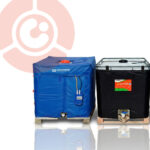
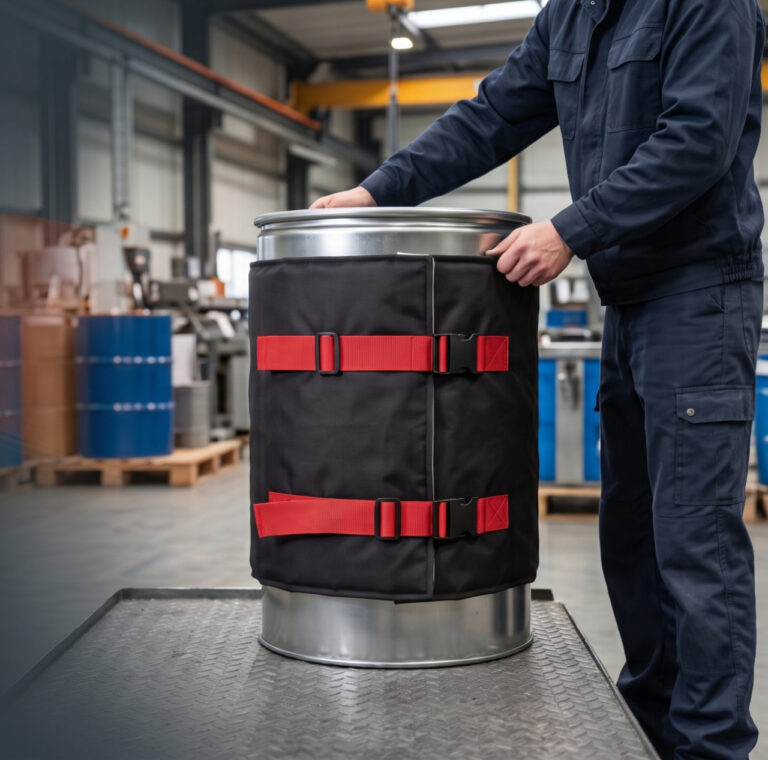
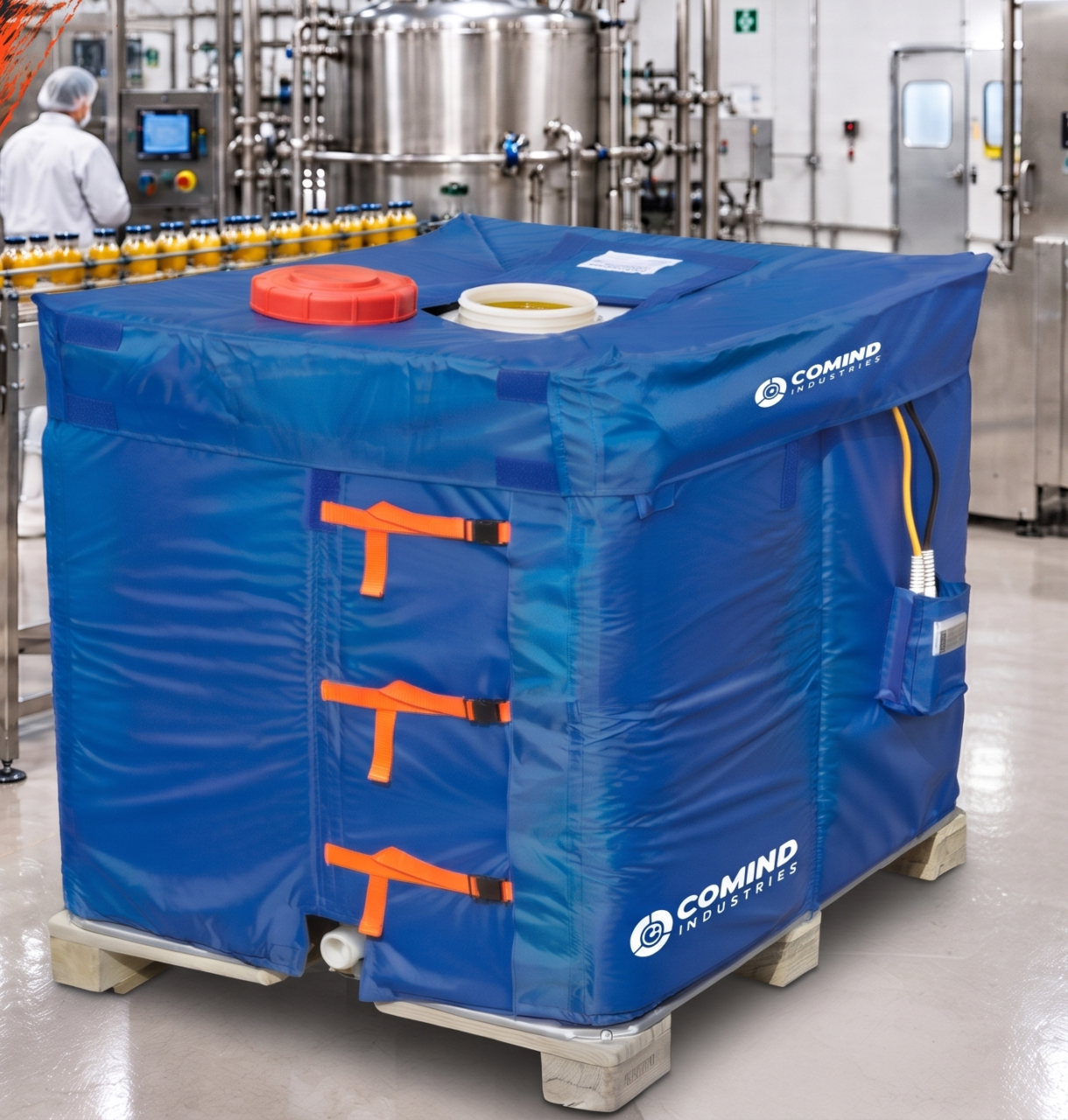
- Heating blankets for drums and IBCs: designed with built-in thermal insulation and thermostatic control, they are ideal for melting or holding fluids in standard 200-liter drums or 1,000-liter containers.
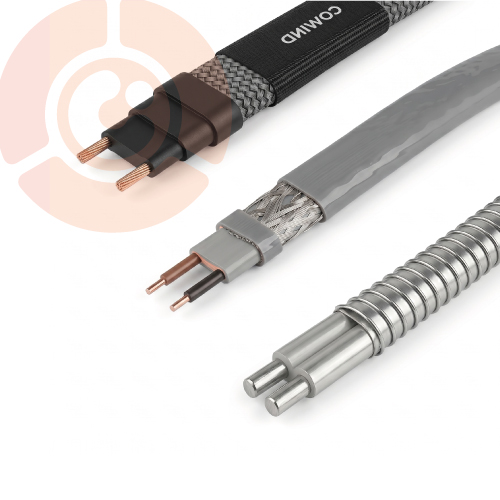
- Heating tapes and cables (heat tracing): installed in a straight run or spiral on pipes and valves to offset heat loss to the environment and keep the transfer temperature constant.
- Immersion heaters: sheathed elements (stainless steel or special alloys) placed directly in the liquid inside tanks and reactors for fast, efficient heating.
- Flexible heating panels: designed to fit complex geometries such as hoppers, tank bottoms and discharge chutes.
3.2. Key selection criteria
- Fluid viscosity and density: highly viscous fluids require low watt densities (W/cm²) to prevent thermal cracking or product burning on the hot walls.
- Container type or geometry: metal or plastic pipes, carbon-steel tanks, plastic drums or mining hoppers.
- Working environment and certifications: if the plant operates in explosive atmospheres (flammable gases or combustible dust in mining or petrochemicals), ATEX / IECEx certified components are mandatory.
4. Best practices for installing thermal systems
A successful electric heating installation follows strict engineering guidelines:
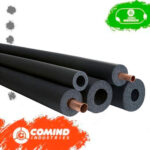
- Thermal insulation: no heating system is efficient without a good layer of mineral wool, rock wool or elastomeric foam to minimize convection and radiation losses.
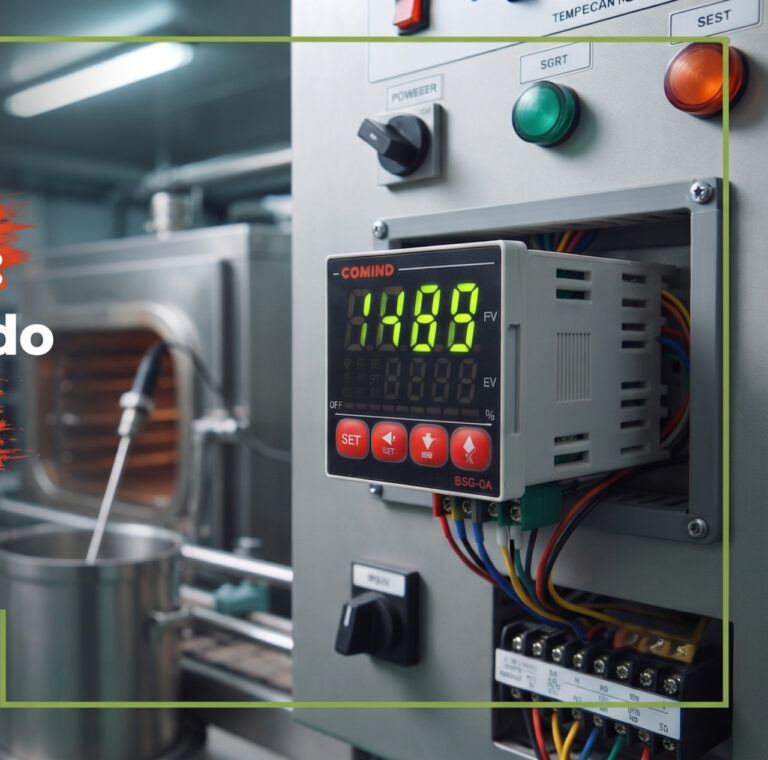
- Precision sensors and thermostats: install temperature probes (Pt100 or thermocouples) strategically at the coldest point of the system to avoid local overheating.
- Correct watt density: distribute heat evenly to prevent hot spots that degrade the fluid.
- Annual preventive maintenance: inspect electrical insulation, check controller calibration and measure the insulation resistance of heating circuits before the cold season.
5. Frequently asked questions (FAQ)
What temperature do I need to melt crystallized honey without damaging it?
The optimal reliquefaction temperature for honey is between 35 °C and 45 °C. Going above 50 °C destroys natural enzymes and increases hydroxymethylfurfural (HMF), altering product quality. Drum heating blankets with an adjustable digital thermostat are recommended.
How do I keep mineral or industrial oil from solidifying in winter?
The most effective strategy combines self-regulating electric heat tracing on the supply lines with insulation of calculated thickness, plus immersion heaters or flexible blankets on the storage and day tanks.
Can heating blankets be used in hazardous areas with explosion risk (ATEX)?
Yes. There are industrial electric heaters and heating blankets specifically designed with explosion-proof enclosures and ATEX/IECEx certifications to operate safely in petrochemical, mining or pharmaceutical facilities with explosive gases or dust.
How do I calculate the power needed to heat a fish oil tank?
The calculation considers the volume and mass of the fluid, its specific heat, the desired temperature rise (initial vs. working temperature), the expected heat-up time and the heat losses through the tank walls and base.
Conclusion
Rigorous temperature control and proper fluid reliquefaction are fundamental to productivity, safety and energy efficiency in mining, food processing, fishing and beekeeping. Expert advice on industrial heating systems and custom-designed electric heaters prevents costly downtime and protects process equipment. Contact us today to request personalized technical advice.