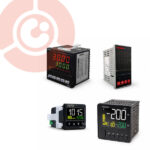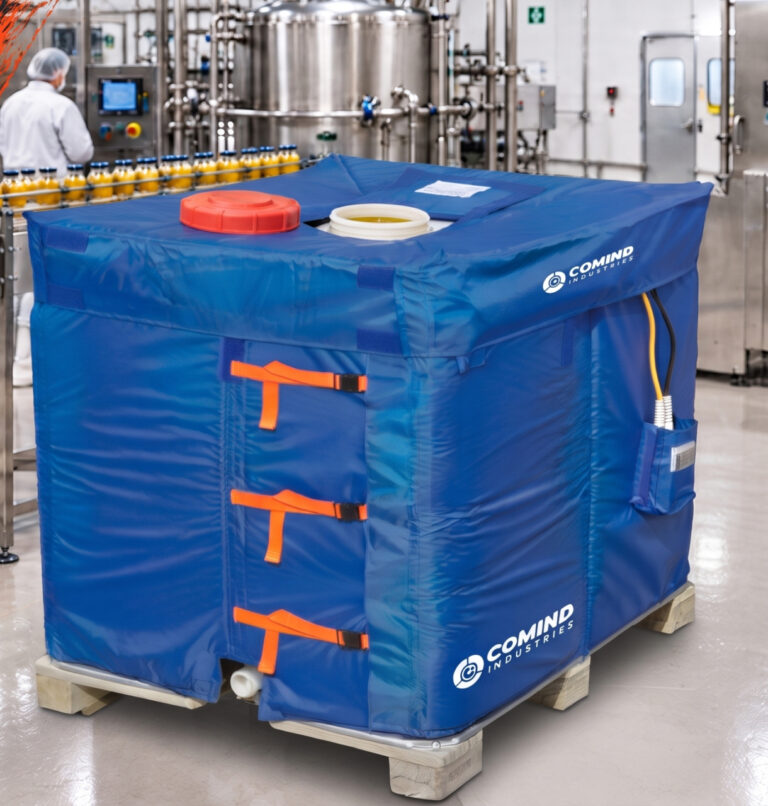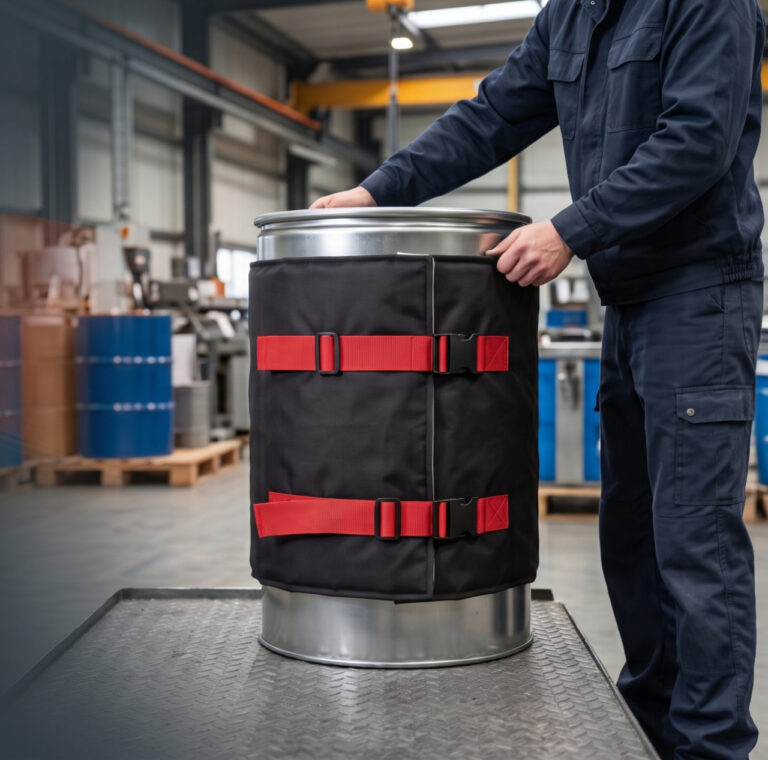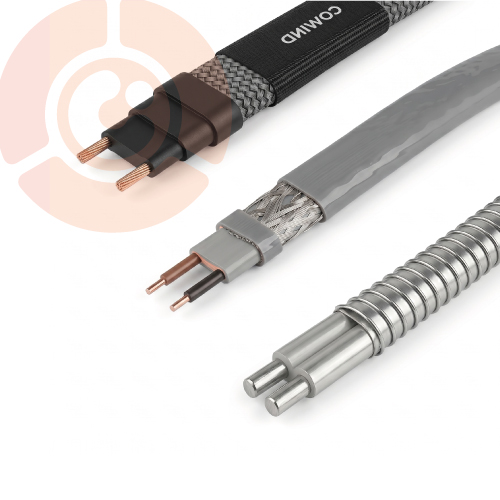
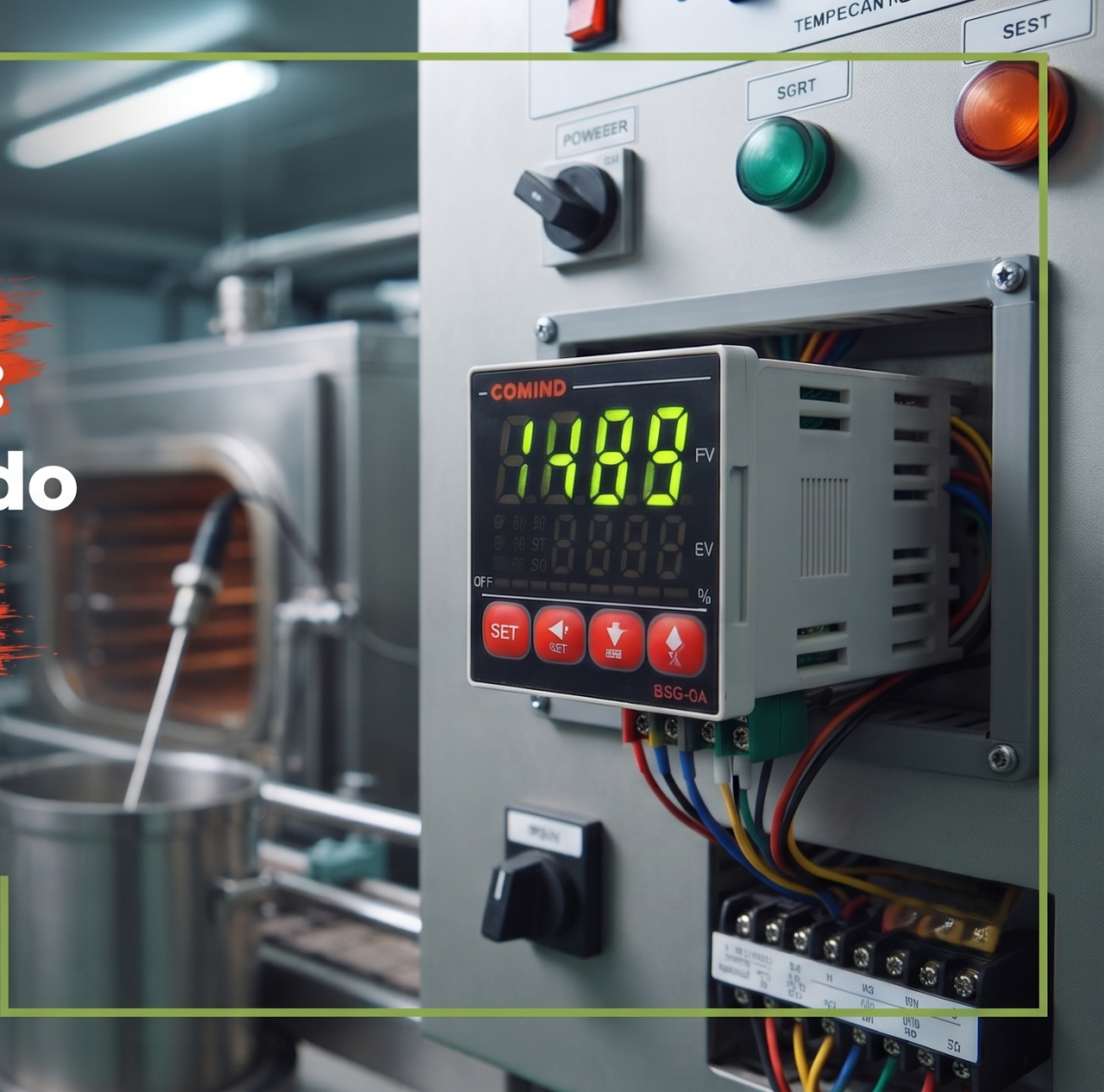
In modern manufacturing, such as the plastics, food and metallurgical industries, thermal energy is the invisible engine driving productivity. However, powerful heating loses all effectiveness if it lacks precision. Behind every efficient production line there is a perfect partnership: the power of industrial electric heaters and the intelligence of the control systems that govern them.
The strategic role of temperature control in the plant
An industrial temperature controller acts as the central nervous system of any process involving heat. Its main job is to continuously monitor temperature through specialized sensors and modulate the energy sent to the heating elements.
When the system works precisely, the plant benefits from:
- Product uniformity: no variations that alter the physical or chemical properties of the processed material.
- Optimized energy efficiency: the equipment delivers only the watts strictly needed to hold the setpoint, avoiding unnecessary consumption.
- Longer equipment life: industrial electric heaters are protected against overloads and premature thermal fatigue.
The hidden risks of operating without precise temperature control
Neglecting to update control systems or keeping obsolete devices usually leads to silent operating losses. The most common risks include:
- Unplanned line stoppages: a temperature rise that is not detected in time can burn out heaters or damage critical structural components, stopping production.
- Rejects and quality losses: in industries such as chemicals or packaging, a minimal temperature deviation can ruin entire batches of raw material.
- Safety vulnerabilities: uncontrolled thermal processes greatly increase the risk of workplace accidents, short circuits or fires.
Controller types and operating modes
It is important to know the technologies available and which one best fits the plant’s dynamics for thermal process optimization.
1. Control strategies
- On/Off control: the most basic and economical mechanism. It works in a binary way, turning heating fully on when the temperature drops below the limit and fully off when it exceeds it.
- Proportional control: starts reducing power as the temperature approaches the target value, softening sudden changes.
- PID control systems (Proportional, Integral and Derivative): using advanced algorithms, they calculate the error in real time and anticipate deviations, ensuring very tight stability and rational energy use.
2. Output types to the loads
- Electromechanical relay output: recommended for slow processes with widely spaced switching cycles.
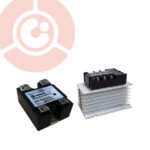
- Solid-state output (SSR): essential for dynamic processes with PID control, as it allows fast and silent switching.
- Analog output (4–20 mA or 0–10 V): used to drive thyristors (SCR) and finely regulate the electrical power applied to the heaters.
Key factors in choosing the right controller
When evaluating how to choose a temperature controller that meets operational requirements, analyze four variables:
- Temperature range and accuracy: define exactly the maximum working temperature and the error margin the process can tolerate.
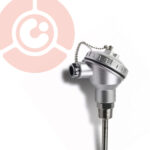
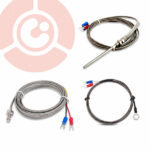
- Sensor compatibility: check that the unit supports thermocouples (such as types J, K or S) or RTDs (Pt100) according to how harsh the industrial environment is.
- Nature of the load: evaluate the power and design of the installed industrial electric heaters, and whether the supply is single-phase or three-phase.
- Connectivity and automation: consider whether the plant requires open communication protocols (such as Modbus RS-485 or Ethernet) to integrate data into SCADA systems or central PLCs.
Frequently asked questions (FAQ)
What is the operational difference between an On/Off and a PID controller?
An On/Off system works intermittently and roughly (fully on/fully off), causing permanent temperature swings, whereas a PID controller constantly calculates the corrections needed to hold the temperature steady, eliminating variations and protecting the equipment.
How does poor temperature control damage electric heaters?
Imprecise control subjects the heating wire to extreme cycles of thermal expansion and contraction, as well as localized hot spots. This accelerates material fatigue, causing premature burnout and catastrophic heater failures.
Which output technology should I use if my process requires very fast temperature changes?
The best option is a solid-state output (SSR) or an analog output driving a thyristor (SCR). These handle high pulse rates without mechanical wear, unlike traditional relays.
Choosing an industrial temperature controller should not be seen as a minor expense, but as a decision that determines the profitability, safety and competitiveness of the entire production line.
Looking to optimize your plant’s thermal performance?
At Comind Industries we design and manufacture custom industrial electric heaters, integrated with advanced control technology. Contact us for specialized technical advice.