Immersion heaters for tanks have become a key solution for temperature control in critical industrial processes. This technology meets the need to maintain viscosity, prevent fluids from solidifying and ensure operational continuity in sectors such as mining, food, chemicals and energy.
In many industries, storing fluids in tanks poses technical challenges related to temperature. Substances such as oils, fuels, chemicals or viscous solutions require specific thermal conditions to retain their physical and chemical properties.
Without proper control, problems can arise such as:
- Increased viscosity.
- Precipitation or crystallization.
- Difficulties in pumping and transfer.
- Risk of equipment damage.
In this scenario, tank immersion heaters have gained ground over traditional systems thanks to their precision, safety and energy efficiency.
How do tank immersion heaters work?
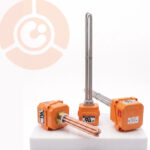
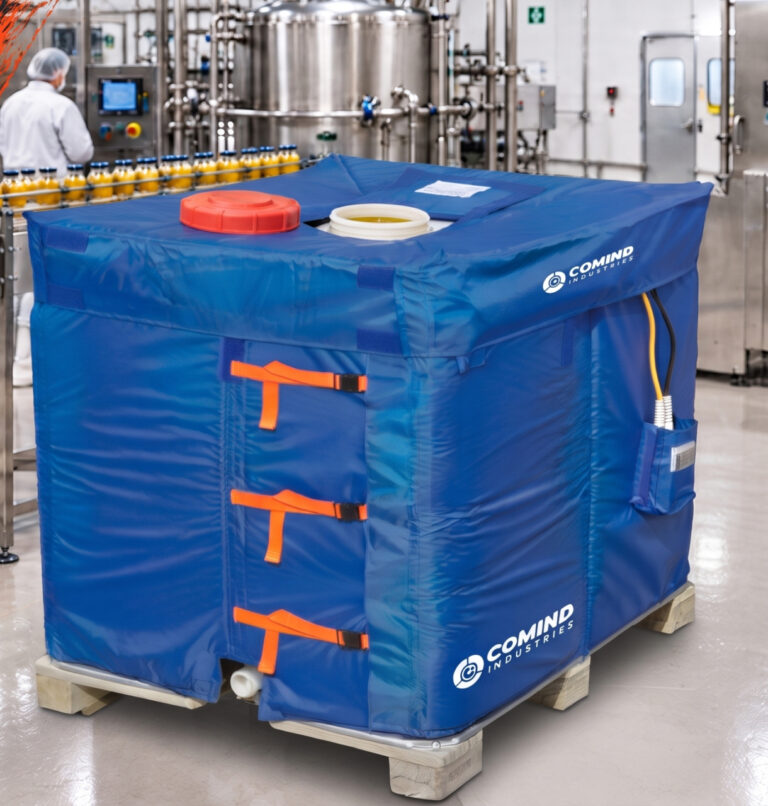
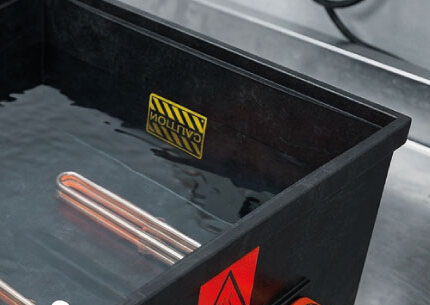
Industrial tank immersion heaters use resistance elements that convert electrical energy into heat. This heat is transferred to the fluid through direct contact or through heating jackets.
There are different configurations, including:
- Immersion heaters.
- Systems with flange heaters.
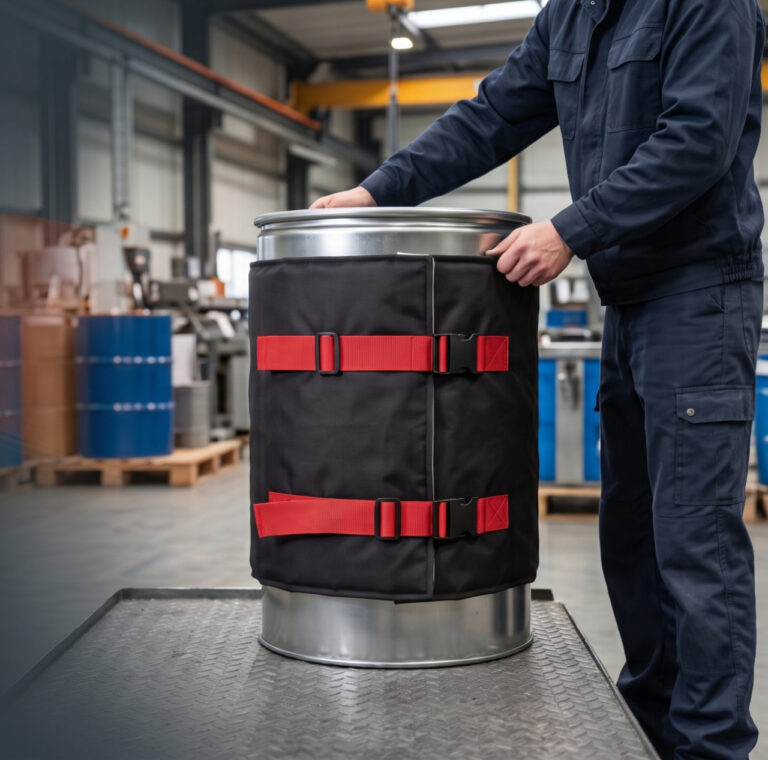
- External heaters with heating jackets.
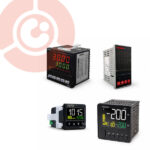
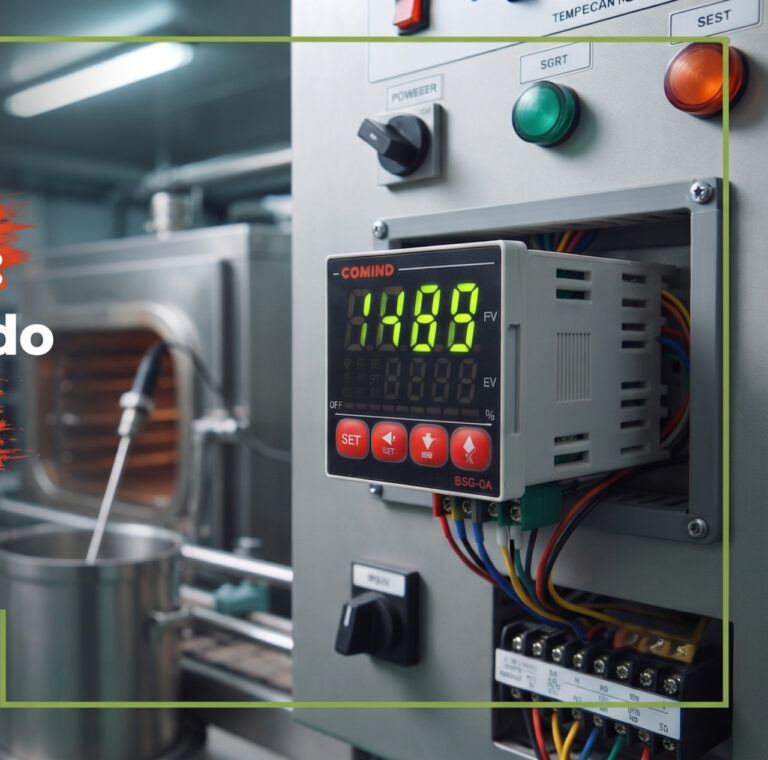
- Systems with built-in temperature controllers.
The choice depends on variables such as:
- Type of fluid.
- Tank volume.
- Required temperature range.
- Ambient conditions.
Operational benefits in industrial processes
Greater thermal efficiency and precise control
One of the main advantages of immersion heaters for industrial tanks is their ability to hold constant temperatures with high precision.
This makes it possible to:
- Avoid overheating.
- Reduce heat losses.
- Optimize energy consumption.
In addition, integration with sensors and automation systems enables real-time monitoring, improving operations management.
Safety and regulatory compliance
Unlike combustion-based systems, electric heaters eliminate the risks associated with emissions, leaks or fuel handling.
This is especially relevant in regulated industries, which require:
- Compliance with environmental regulations.
- Safety in hazardous areas (ATEX or equivalent).
- Minimization of operational risks.
Modern systems include protections such as:
- Safety thermostats.
- Level sensors.
- Controllers.
- Automatic cut-off systems.
Lower maintenance costs
Electric systems have fewer moving parts, which means:
- Less mechanical wear.
- Fewer corrective interventions.
- Longer equipment life.
This directly reduces costs related to maintenance, unplanned stoppages and equipment replacement.
Industrial applications: key use cases
Mining
In mining operations, immersion heaters keep chemical solutions, reagents and fuels flowing, especially in cold regions.
Food industry
In food plants, they keep oils, fats and syrups within safe ranges, avoiding changes in product quality.
Chemical and petrochemical industry
Temperature control is critical to avoid unwanted reactions or solidification of compounds. Immersion heaters ensure stability during storage and transfer.
Energy and fuels
In fuel oil or heavy diesel storage tanks, keeping the right temperature makes pumping easier and reduces energy consumption in downstream processes.
Innovation: integration with industrial automation
One of the most relevant trends is the integration of industrial electric heating with automation systems.
Today it is possible to:
- Monitor temperatures remotely.
- Integrate SCADA systems.
- Generate predictive alerts.
- Optimize energy consumption through smart control.
This turns heaters into active components of operational efficiency and predictive maintenance strategies.
Technical value: applied design and engineering
Implementing tank heating systems requires an engineering approach that considers:
- Heat transfer.
- Chemical compatibility.
- Electrical design.
- Safety standards.
Companies specialized in industrial thermal solutions add value not only by supplying equipment but through:
- Proper sizing.
- Material selection.
- Integration with existing systems.
- On-site technical advice.
This approach avoids oversizing or failures due to poor specification.
UL Solutions certification
Comind reinforces its commitment to quality and innovation: its line of tubular immersion heaters has obtained KSOT2 and KSOT8 certifications under the UL 499 standard from UL Solutions, a key international recognition in the electrical industry. This milestone not only validates compliance with strict safety requirements but also guarantees reliable performance in demanding industrial environments.
What does this mean for our products?
- Maximum operating safety.
- Reliable performance in demanding environments.
- International backing for your projects.
Outlook: energy efficiency and sustainability
The use of tank immersion heaters will keep growing, driven by:
- The electrification of industrial processes.
- Emissions reduction.
- The need for greater control and traceability.
Their compatibility with renewable energy also positions them as a solution aligned with industrial sustainability and decarbonization goals.
Tank temperature control is critical for operational continuity and process quality. In this context, electric heaters have established themselves as an efficient, safe solution adaptable to many industries.
For companies looking to optimize their processes, evaluating this technology is not only an operational need but also part of a modernization and energy efficiency strategy.
Explore our immersion heater lines:
- Flange heaters
- Screw-plug heaters
- Portable heaters
- General-purpose heaters