What is a flanged heater and what is it used for?
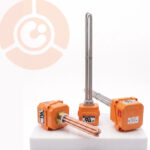
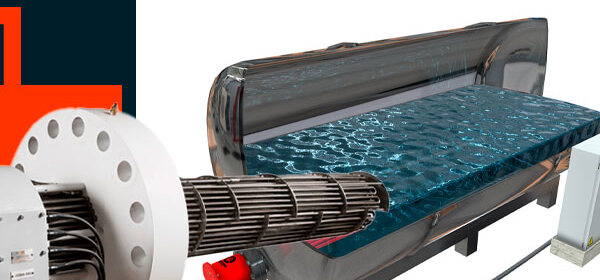
Flanged immersion heaters are industrial heating devices designed to be installed directly in tanks, pipes or pressure vessels. Their main feature is that the electric heating elements are mounted on a metal flange, which allows for a robust, safe and easy-to-maintain installation.
Simply put, a flanged heater heats liquids, oils, gases or chemical solutions directly in the vessel where they are stored or processed. Thanks to their modular, sealed design, these units offer efficient heat transfer, take up little space and make maintenance or replacement easy.
At Comind Industries we have been designing and manufacturing custom flanged heaters for over 30 years for industries such as mining, food, petrochemicals and pharmaceuticals. We know from experience that correct installation and a well-thought-out design make the difference between an efficient thermal process and a problematic one.
Main industrial applications of flanged heaters
Flanged heaters are used in a huge variety of processes where a fluid must be kept at temperature or prevented from solidifying. The most common applications include:
- Pressure or fluid recirculation systems in industrial plants.
- Oil or fuel storage tanks: to prevent solidification and make pumping easier.
- Chemical or pharmaceutical processes: where constant temperature is required for controlled reactions.
- Domestic or industrial hot water: high-volume hot water production systems.
- Water treatment and viscous fluids: to keep flow rates stable and temperatures precise.
Types of heating elements used in flanged heaters
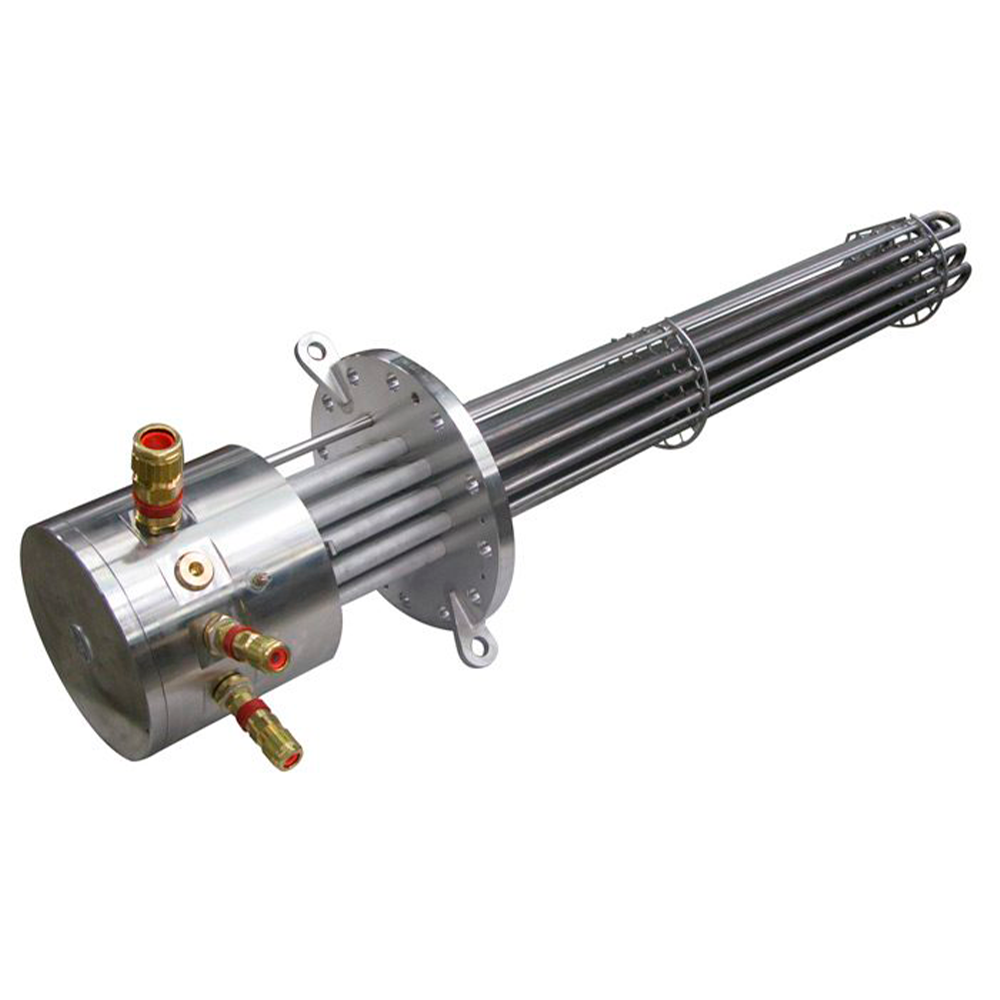
The most common elements in flanged heaters are sheathed tubular heaters, made of stainless steel, Incoloy or special alloys depending on the fluid and the required temperature.
Depending on the application, configurations include:
- U-bent or spiral elements.
- Straight multi-pass elements.
- Elements with special coatings for chemical resistance.
- Removable designs for easier maintenance.
At Comind Industries we customize the wattage, length, diameter and material of the elements to each customer’s needs, ensuring thermal, chemical and mechanical compatibility with the process.
Key considerations when installing a flanged heater
Before installing a flanged heater, it is essential to consider:
- Tank or pipe material: it must be compatible with the heater flange.
- Type and density of the fluid to be heated: this affects the required power and the element material.
- Operating temperature: to choose thermostats, sensors and insulation.
- Internal pressure: pressurized tanks require certified flanges.
- Physical location: there must be easy access for electrical connection and maintenance.
An undersized or poorly sized installation can cause overheating, premature element failure or leaks. That is why we always recommend working with technical drawings and professional advice.
How to select the right heater for the fluid or tank
Choosing the ideal heater should be based on a series of technical parameters:
- Total power (kW): based on tank volume and required heat-up time.
- Operating voltage: 220 V, 380 V or three-phase systems.
- Element material: stainless steel, copper, Incoloy, etc.
- Flange type: ANSI, DIN or another standard depending on the customer’s equipment.
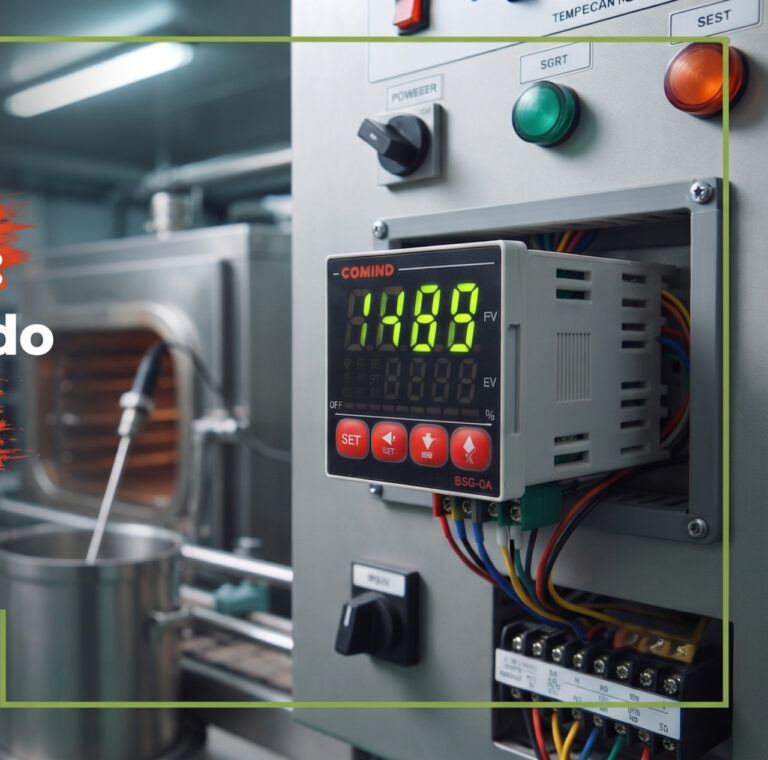
- Control type: manual, digital, remote or automated.
Our engineering team reviews each requirement and proposes a custom design that optimizes thermal performance and reduces energy consumption.
Safety, maintenance and durability of flanged heaters
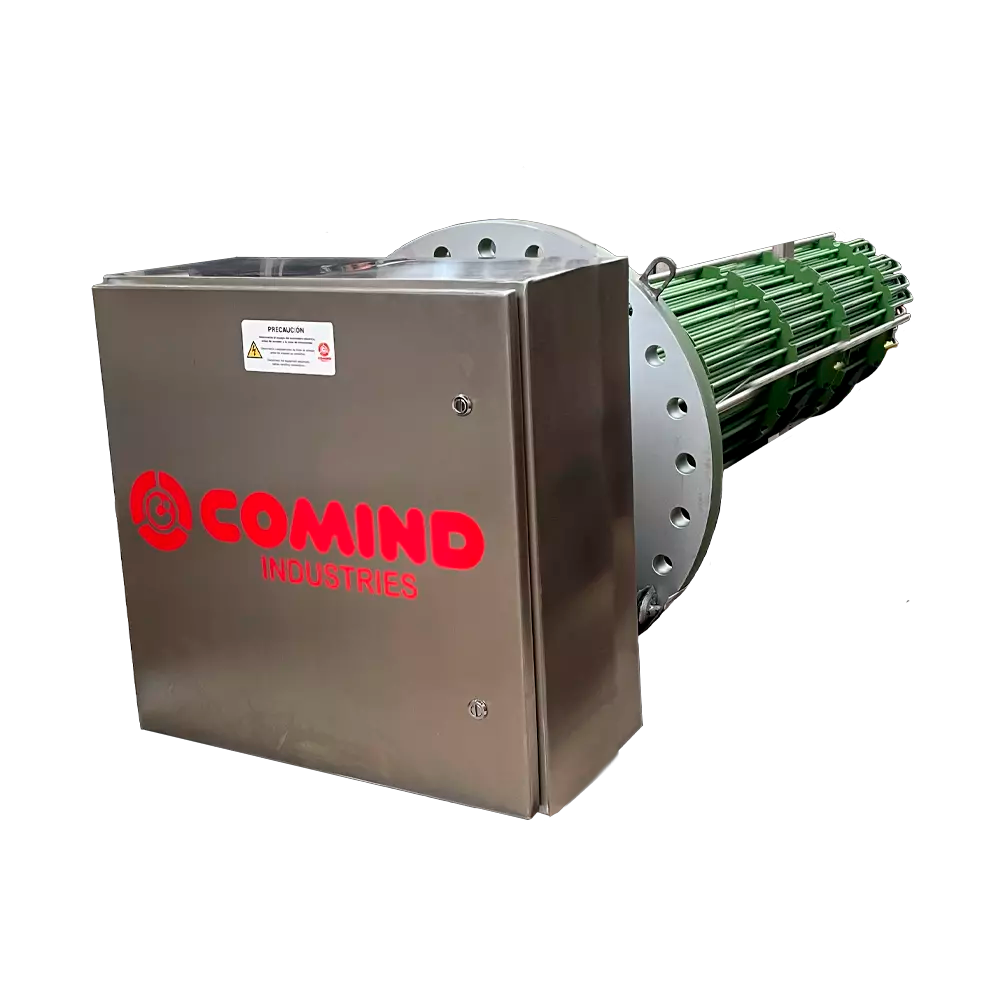
Safety is a key factor in any thermal process. Comind Industries flanged heaters are designed with:
- IP protection suited to the environment.
- Thermal insulation to prevent contact burns.
- Safety thermostats with automatic cut-off.
- Alarm systems for over-temperature or failure.
Maintenance is minimal with a correct installation and by following the manufacturer’s recommendations. The service life of these units can exceed 10 years, depending on use and ambient conditions.
Flanged heaters vs. other types of industrial heating
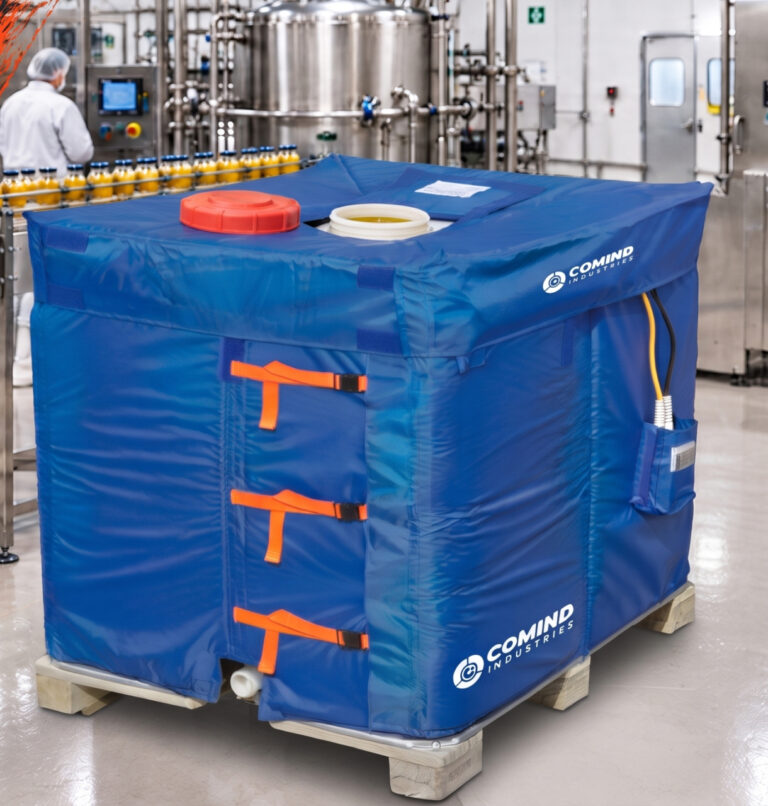
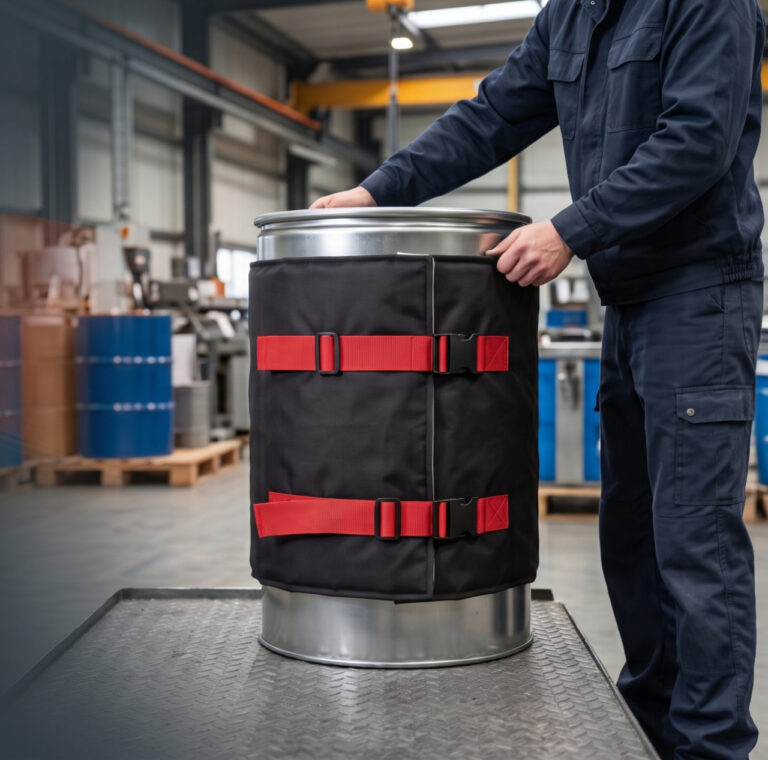
Compared with other thermal solutions such as coils, heating blankets or heat exchangers:
- The flanged heater is in direct contact with the fluid.
- The installation is permanent and more robust.
- It withstands demanding pressure and temperature conditions.
- It offers higher power capacity (up to 200 kW or more).
- It allows automation and remote control.
It is the ideal solution when high thermal power, a fixed installation and long-term reliability are required.
Why choose Comind Industries for custom flanged heaters
Comind Industries combines experience, engineering and in-house manufacturing to deliver flanged heaters that match each customer’s process exactly. Many suppliers offer generic catalog units; we work with a technical, tailored approach:
- Over 30 years of experience in industrial heating.
- Custom design with technical drawings, not just standard products.
- In-house manufacturing, with lead times adapted to each customer.
- Direct technical support from engineers specialized in thermal processes.
- Warranty and after-sales support.
From a small chemical plant to a large-scale refinery, we design solutions that work, last and make our customers’ processes more efficient.
Do you have a thermal challenge at your plant?
Our team is ready to help you develop a specific solution for your process, materials and operating conditions. Contact us for personalized advice on your project.