In industry, safety footwear (rubber, PVC or polyurethane boots) is the first barrier of protection against water and external moisture. However, under demanding operating conditions (low temperatures, high ambient humidity and long shifts), moisture build-up from perspiration becomes a serious problem. This study analyzes how integrating industrial boot drying and sanitizing systems solves critical issues of occupational health, operational continuity, PPE durability and regulatory compliance in processing plants.
Diagnosis
The food, agricultural and processing industries operate under extreme environmental conditions that place a constant load on workwear. Process plant operators work on wet surfaces and at operating temperatures that vary widely, sometimes reaching -30 °C (-22 °F).
Footwear dynamics
Industrial rubber boots are waterproof on the outside to keep out effluents, water and organic waste. However, this same waterproof barrier prevents the natural evaporation of foot perspiration. During a standard 8 to 12-hour shift, the human foot sweats due to active condensation and physical exertion.
Shortcomings of conventional drying
Traditionally, production plants have relied on air drying in locker rooms or on static racks without air circulation. This method has structural flaws:
- Insufficient drying time.
- Reduced thermal comfort.
- Microbial growth.
Requirements by industry
| Industry | Main source of moisture | Critical risk without preventive measures |
|---|---|---|
| Fishing | Salt water, effluents and cold condensation. | Lining corrosion, fungi and cold injury. |
| Meat and processed meats | Fat, blood, wash water and low temperatures. | Growth of pathogenic bacteria. |
| Fruit / packing | Fruit wash water, mud and high ambient humidity. | Slow drying times during peak season. |
| Mining / agriculture | Mud, external leaks and condensation from exertion. | Sick leave due to skin conditions and lower productivity. |
Key needs met by boot dryers
Installing industrial boot dryers directly addresses critical points in plant management:
| Critical point | Need / problem | Solution | Benefit |
|---|---|---|---|
| Occupational health and dermatology | High prevalence of athlete’s foot, skin maceration and dermatitis. | Complete removal of condensed water with direct heated airflow and ozone (O3) sanitizing. | Fewer dermatological sick days and odor control. |
| Ergonomics and thermal comfort | Loss of thermal sensation in the lower limbs, increasing the risk of falls and fatigue. | Warm air injected into the critical zone (toe cap and insole). | Better peripheral circulation and greater comfort at work. |
| Operational continuity | Need to assign 2 or 3 pairs of boots per worker to allow drying rotation. | Fast drying cycles (depending on moisture) between shift changes. | Optimized PPE stock and 100% availability of dry boots every shift. |
| Food safety | Risk of cross-contamination from locker rooms and dirty areas into processing rooms. | Biological disinfection that destroys spores and bacteria inside the boot. | Compliance with strict hygiene audits and biological traceability. |
| Footwear (PPE) service life | Accelerated hardening and rotting of the inner lining and insoles due to saline moisture. | Even, non-destructive drying that preserves the material’s mechanical properties. | Longer service life of safety footwear. |
Case study
A fruit processing plant with 150 workers spread over three daily shifts faced a complex operational problem during peak periods:
- Absenteeism: more sick leave due to respiratory and skin conditions (such as athlete’s foot and dermatitis) caused by moisture trapped in the boots.
- Premature PPE deterioration: accelerated wear, hardening and rotting of linings and insoles due to moisture and external agents, increasing monthly replacement costs.
- Inefficient locker rooms: 2 to 3 pairs of boots had to be assigned per worker to allow an inefficient drying rotation, overloading storage and PPE availability.
The solution
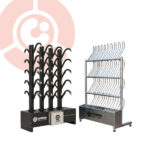
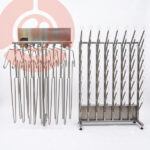
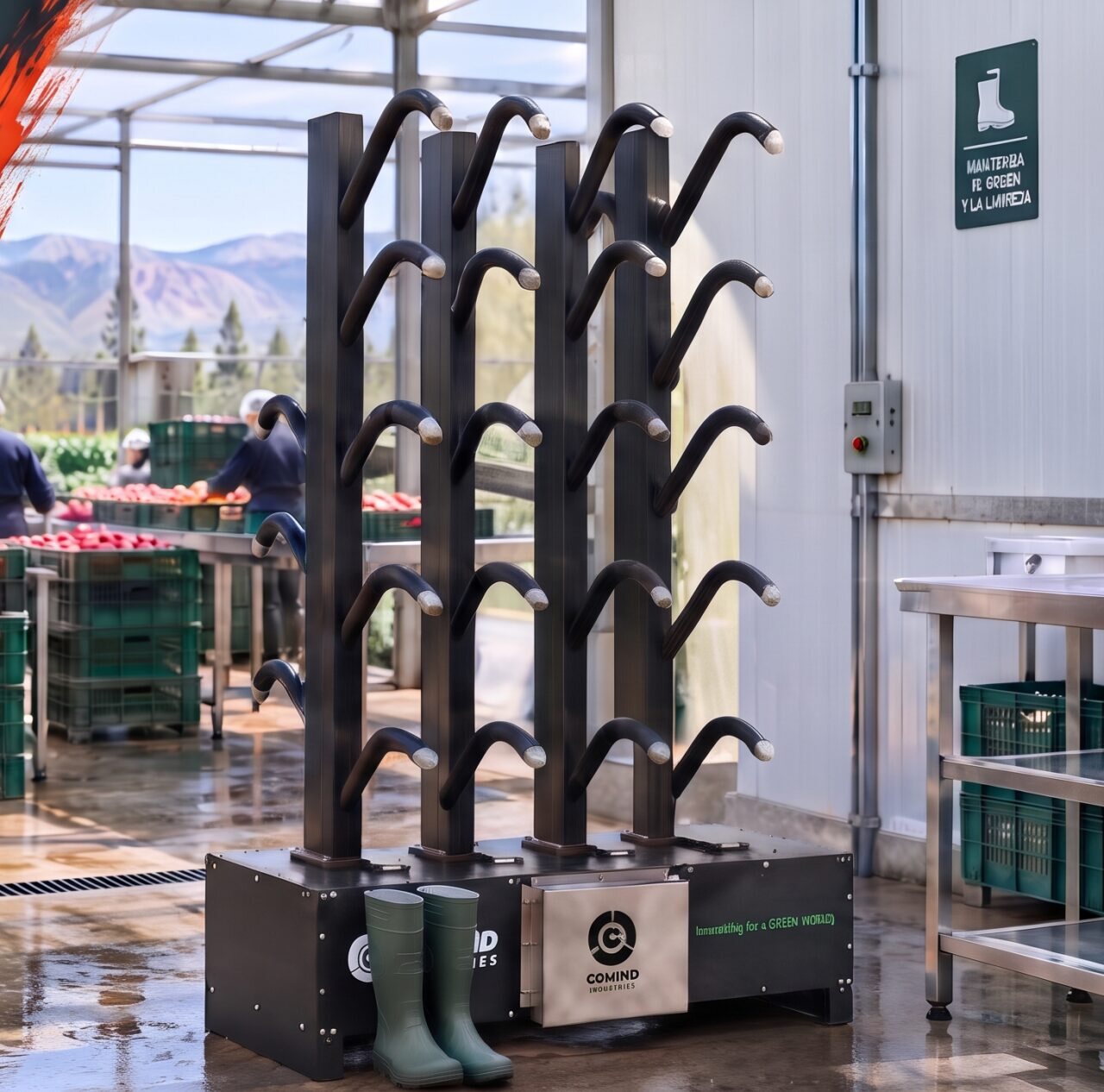
To eliminate these critical points, the company installed a 20-pair industrial boot dryer, running continuously across all three shifts. The technology included:
- Direct heated airflow: controlled warm air (strictly limited to below 50 °C / 122 °F to avoid deforming synthetic materials) blown directly into the critical zone (toe cap and insole).
- Ozone (O3) sanitizing: an ozone generator built into the main duct destroys bacteria, spores and fungi and neutralizes the volatile organic compounds that cause odor.
- Robust design: a self-supporting modular frame made entirely of AISI 304 stainless steel, highly resistant to washdown environments and corrosive agents.
Results after 6 months
- Lower absenteeism: a sharp drop in complaints and in staff absences linked to skin conditions.
- PPE cost savings: significant savings on safety footwear thanks to longer service life and a lower replacement rate.
- Return on investment (ROI): the project paid back its initial investment in 6 months, based solely on savings in footwear replacement and fewer lost labor hours.
Recommendations and good technical practice
To get the most out of industrial heating equipment in locker rooms and process areas, follow these technical guidelines:
- Sanitary materials: make sure equipment is certified and built in AISI 304L stainless steel, meeting health authority and food safety standards.
- Strict thermostatic control: check that thermal limiters operate below 50 °C, protecting the mechanical integrity and comfort of the footwear.
- Capacity sizing: calculate the size and number of hangers based on the peak flow of staff at the busiest shift change, ensuring 100% availability.
Conclusion
Industrial boot drying and sanitizing systems go beyond being a simple comfort item: they are a strategic, high-return tool for industrial hygiene and regulatory compliance. Protecting workers’ health and extending PPE life has a direct impact on overall plant productivity.
Do you need to improve operational continuity and hygiene standards in your plant?
Get a quote for our high-performance industrial drying and heating systems