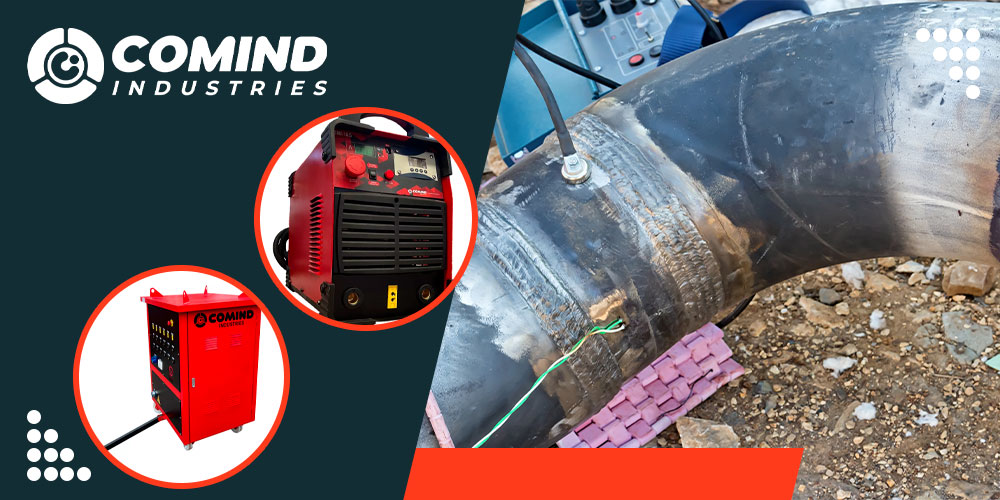
In modern industry, heat treatment is a fundamental step to ensure the quality, integrity and durability of critical components. Especially in pipe welds, pressure vessels and process equipment, the thermal changes produced during fabrication can induce residual stresses that affect the mechanical behavior of the joints and put their performance under load at risk.
One of the most effective and controlled ways to mitigate these effects is heat treatment with electric resistance heaters, a precise, repeatable and safe technique, ideal for both shop and field work.
What is heat treatment with electric resistance heaters?
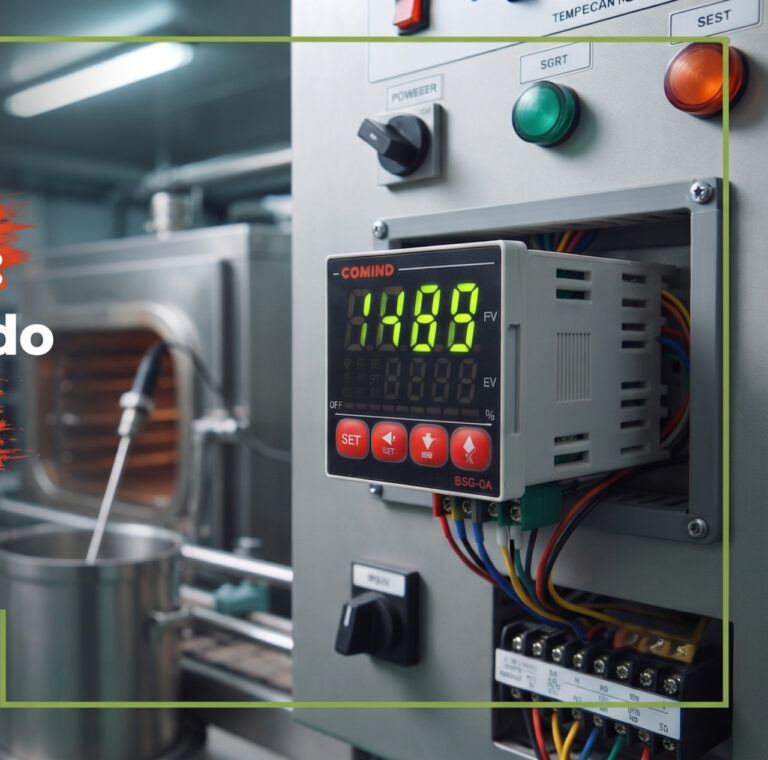
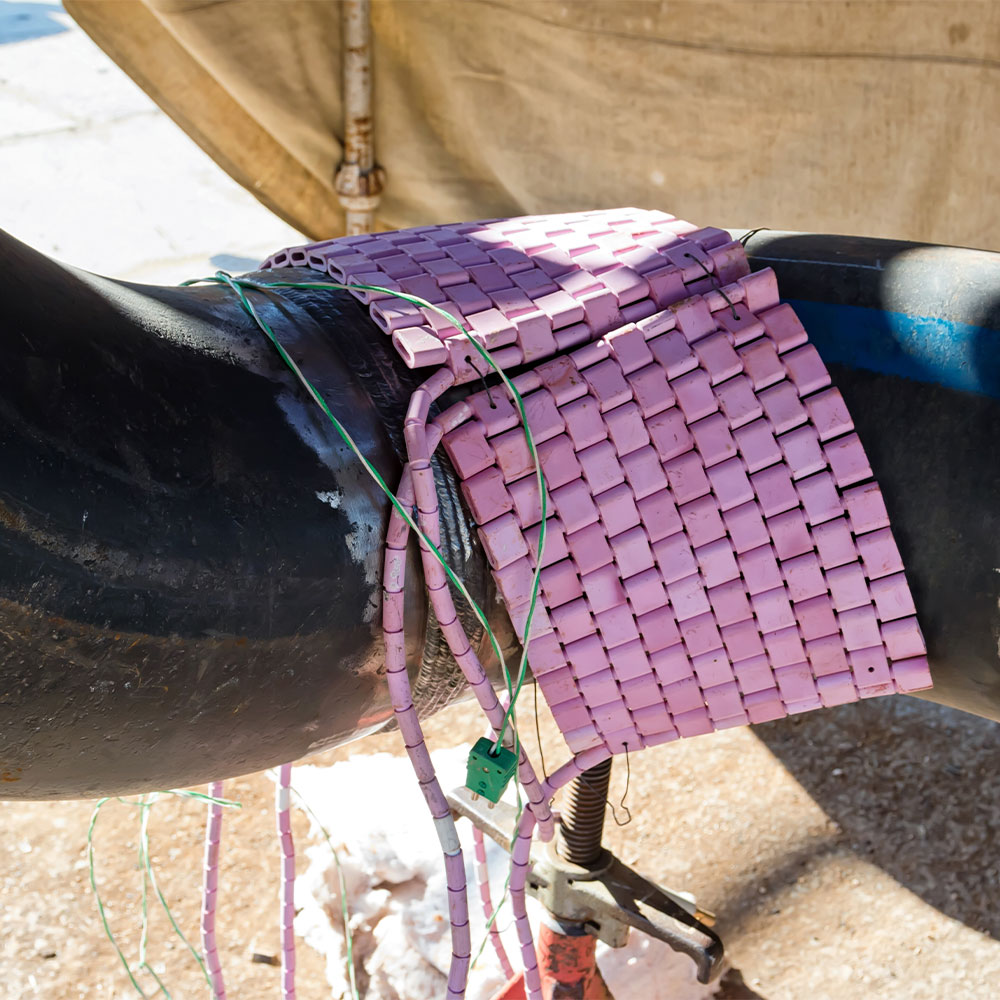
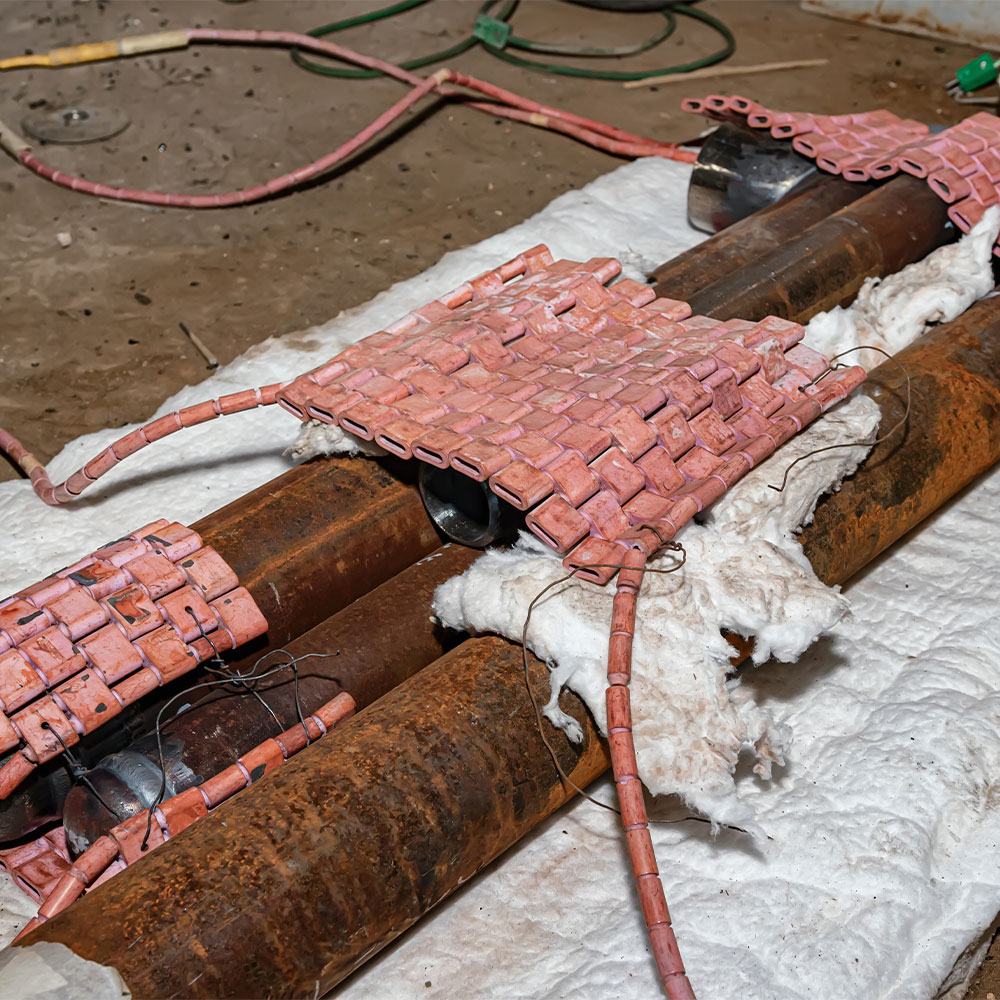
It is a controlled process of applying heat through flexible electric heaters that conform to the geometry of the component. These heaters, regulated by electronic controllers and strategically placed thermocouples, follow specific thermal cycles according to the applicable code, ensuring a uniform temperature transition during the heating, soaking and cooling stages.
This method is commonly used for:
- Stress relieving
- Preheating before welding
- Post-heating for hydrogen removal (dehydrogenation)
- Post-weld heat treatment (PWHT)
Benefits of using electric heaters for heat treatment
High precision and thermal control: temperature is held within very narrow ranges, which is key to avoiding distortion, embrittlement or unwanted changes in the material’s microstructure.
Localized application: ideal for fixed or very large structures where moving them to a furnace is not feasible. The heaters are installed directly in the field, even in hard-to-reach areas.
Versatility: they adapt to a wide variety of shapes—elbows, welded joints, flanges, nozzles—without compromising treatment quality.
Less time and lower costs: since equipment does not have to be moved, work is faster and logistical risks are reduced.
Traceability and digital records: the process is documented with time-temperature charts, ensuring code compliance.
Common applications of heat treatment with electric heaters
- High-pressure pipe welds in refineries, chemical plants and steam systems.
- Equipment subject to extreme thermal cycles, such as heat exchangers, reactors and pressure vessels.
- Welded components made of materials prone to hydrogen cracking, where a bake-out or post-heating is essential.
Technical process
- Heater installation: heaters are placed evenly around the treatment zone, ensuring good thermal contact.
- Thermocouple connection: temperature sensors are attached for real-time monitoring.
- Thermal cycle programming: following the material specifications and applicable codes (ASME, API, AWS, etc.).
- Cycle execution: the system heats gradually to the target temperature, holds it for the defined time and then cools in a controlled way.
Comind, experts in industrial heat
At Comind we have extensive experience in heat treatment with electric heaters for demanding industrial projects. Our heat treatment equipment is designed to operate with precision, safety and traceability, meeting the highest industry standards.
We also provide technical advice for planning thermal processes, ensuring optimal results in every application.
Conclusion
Heat treatment with electric heaters is a key tool for modern industry. It not only improves the mechanical properties of materials and extends the life of welded joints, but also allows meticulous control of the thermal process, adaptable to many industrial environments.
If your project requires thermal precision, efficiency and reliability, this type of treatment is the ideal solution.
Do you have a thermal challenge at your plant?
Our team is ready to help you develop a specific solution for your process, materials and operating conditions. Contact us for personalized advice on your project.