
Optimizing energy consumption is no longer just a cost-saving measure: it has become a strategic factor in industrial competitiveness. Through concrete technical practices and smart use of technology, companies can improve efficiency, operational reliability and regulatory compliance in an increasingly demanding energy landscape.
Today, process industries, manufacturing, mining, food and energy face the challenge not only of producing more, but of finding technical solutions that reduce energy consumption without compromising operational continuity or safety, with fewer resources and lower impact. In this context, energy management no longer depends solely on the maintenance department; it is part of strategic planning and investment decisions.
Energy tip 1: energy management based on industrial data
One of the most common mistakes in industrial plants is trying to cut consumption without reliable information. Installing energy meters, power quality analyzers and monitoring systems makes it possible to identify losses, abnormal consumption and opportunities for improvement.
Real-time data makes it easier to:
- Detect overconsumption early.
- Compare efficiency between lines or shifts.
- Make technical decisions based on indicators, not assumptions.
- Analyze consumption by process or equipment.
This approach is key to moving toward predictive maintenance and operational efficiency.
Energy tip 2: optimizing thermal systems and industrial heating
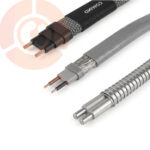
Industrial heating systems, boilers, electric heaters and heat tracing often account for a significant share of total energy consumption.
Recommended technical practices include:
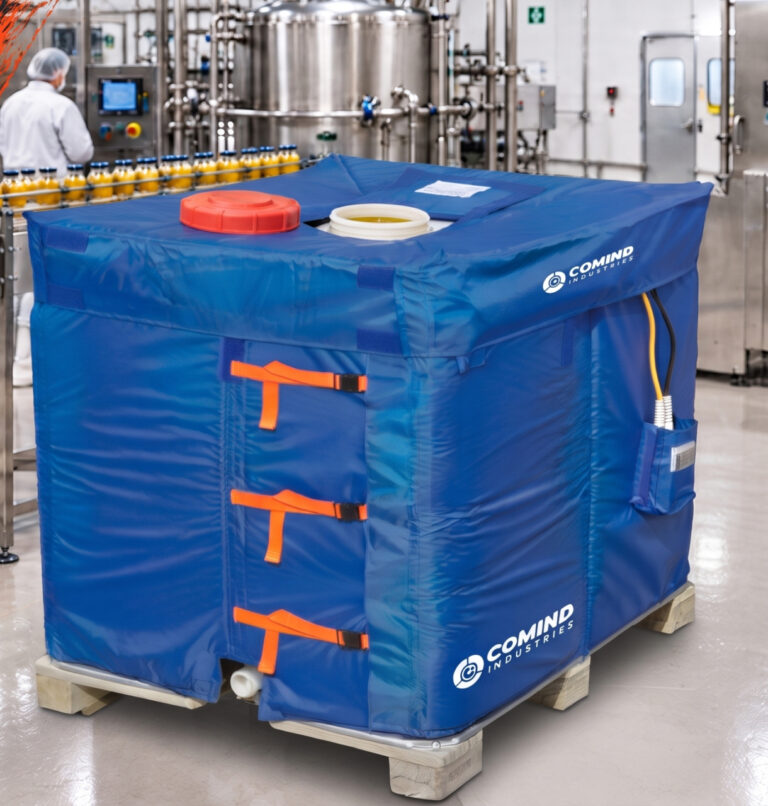
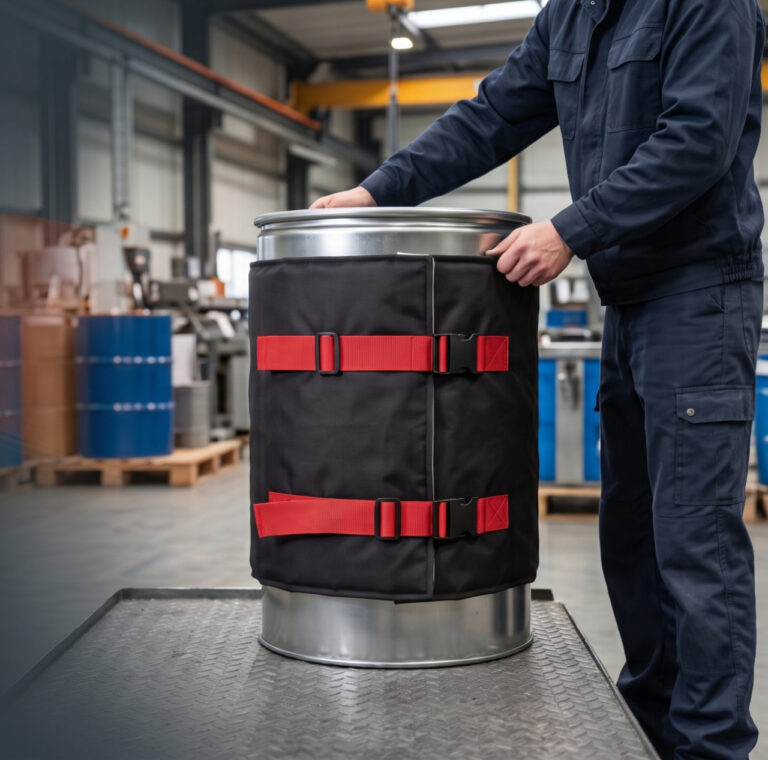
- Proper thermal insulation on pipes and equipment.
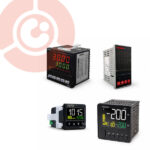
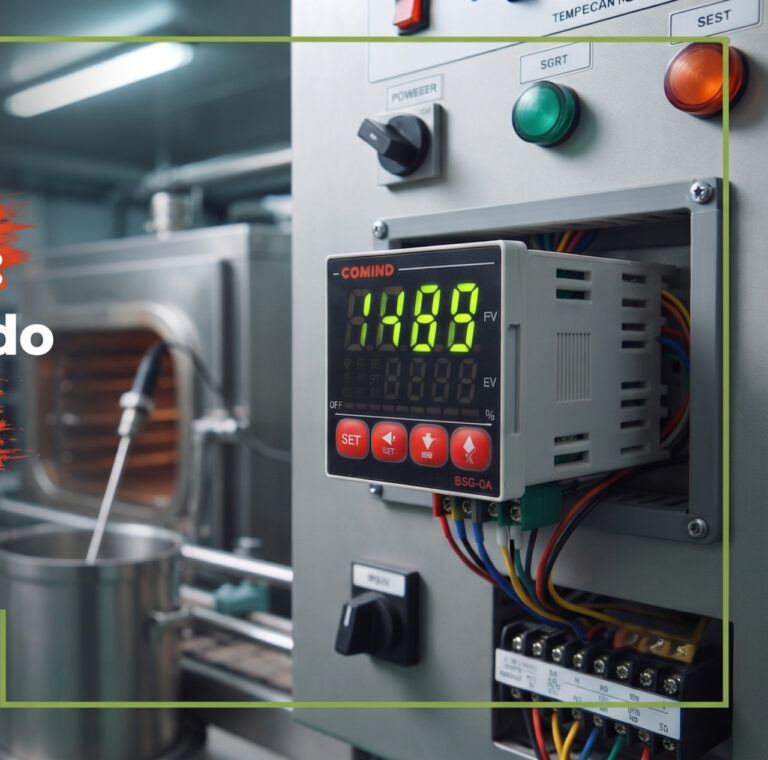
- Accurate temperature control with reliable sensors.
- Eliminating unnecessary overheating.
- Regular maintenance to avoid losses from scaling or faults.
Efficient thermal management not only reduces consumption, it also improves operational safety and the stability of production processes.
Energy tip 3: industrial automation applied to energy efficiency
Automation is no longer just a productivity tool. Today it plays a central role in reducing energy waste and matching consumption to actual load, production shifts or external conditions.
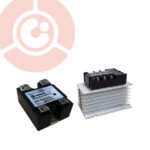
Using controllers, variable frequency drives and automatic control systems matches consumption to the real demand of the process, avoiding unnecessary peaks and out-of-range operation, making it one of the fastest-payback (ROI) investments in industry. By adjusting motor speed to the actual process load, throttling losses at valves are eliminated and mechanical wear is reduced.
The most relevant benefits include:
- Lower consumption in motors and pumping systems.
- Longer service life of electrical equipment.
- Less manual intervention and fewer operating errors.
Well-designed automation is a direct enabler of sustainable energy efficiency.
Energy tip 4: industrial maintenance focused on efficiency
Poorly maintained equipment uses more energy. Friction, misalignment, faulty electrical connections or out-of-calibration sensors have a direct impact on energy performance.
Adding efficiency criteria to maintenance plans makes it possible to:
- Reduce hidden energy faults.
- Avoid unplanned shutdowns.
- Keep operating parameters within optimal ranges.
This approach strengthens the link between reliability, efficiency and operational continuity.
Energy efficiency and regulatory compliance
Beyond the economic impact, energy efficiency is increasingly tied to compliance with regulations, audits and industry standards.
Consumption traceability, control of critical variables and technical documentation become essential to meet:
- Local energy regulations.
- Management standards such as ISO 50001.
- Customer and supply chain requirements.
Companies that anticipate these challenges gain lasting competitive advantages.
Technical value and the role of the specialized industrial supplier
Beyond technology, the trend is to combine technical expertise, data analysis and knowledge of industrial processes. Suppliers of energy solutions, sensors, electrical components and automation play a key role as strategic partners, providing diagnostics, design criteria and technical support.
This approach makes it possible to move from isolated actions to comprehensive industrial energy management, aligned with each plant’s production and financial goals.
Outlook: energy, data and efficiency at the core of industry
The trend is clear: industry is moving toward more efficient, measurable and automated models. Integrating energy, data and control will be one of the main technical challenges of the coming years.
Adopting energy tips based on industrial criteria, reliable technology and applied knowledge will allow companies not only to cut costs, but also to strengthen their operational resilience in an increasingly demanding environment.
Energy efficiency as a competitive advantage
Energy efficiency is no longer just a way to save money; it is a differentiator in industry. Companies that build energy tips into design, operation and maintenance will be better prepared for volatile costs, energy shortages and stricter environmental requirements.
In the coming years, greater integration between energy, automation and digitalization is expected, consolidating energy efficiency as a strategic pillar of modern industry.