In the aquaculture and food processing industries, operating conditions are among the most demanding in the B2B industrial sector. In salmon processing plants in particular, workers face an environment of high humidity, low temperatures and constant washdown every day. In this setting, safety footwear —specifically polyurethane or PVC rubber boots— becomes the worker’s first line of defense.
However, keeping the inside of this footwear dry is one of the biggest logistical and well-being challenges on site. This is where an industrial boot dryer stops being an accessory expense and becomes a strategic investment to improve productivity, ensure food safety and protect people’s health.
The moisture challenge in salmon processing plants
Salmon processing plants operate under strict temperature control to preserve the product’s cold chain. This means working days in environments between 4 °C and 8 °C (39–46 °F), plus constant water from gutting and filleting systems and rigorous cleaning and sanitizing protocols.
Problems caused by wearing wet boots during the shift
Footwear that cannot dry between shifts triggers a domino effect that hits salmon companies’ bottom line:
- Occupational health risks: moisture from sweat or leaks, combined with intense cold, accelerates skin conditions such as tinea pedis (athlete’s foot), dermatitis and fungal infections. It also increases respiratory and rheumatic problems among staff.
- Staff turnover and PPE costs: accelerated degradation of footwear due to constant moisture forces purchasing and supply teams to replace protective equipment early, inflating operating costs.
What is an industrial boot dryer and how does it work?
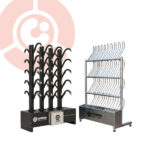
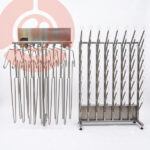
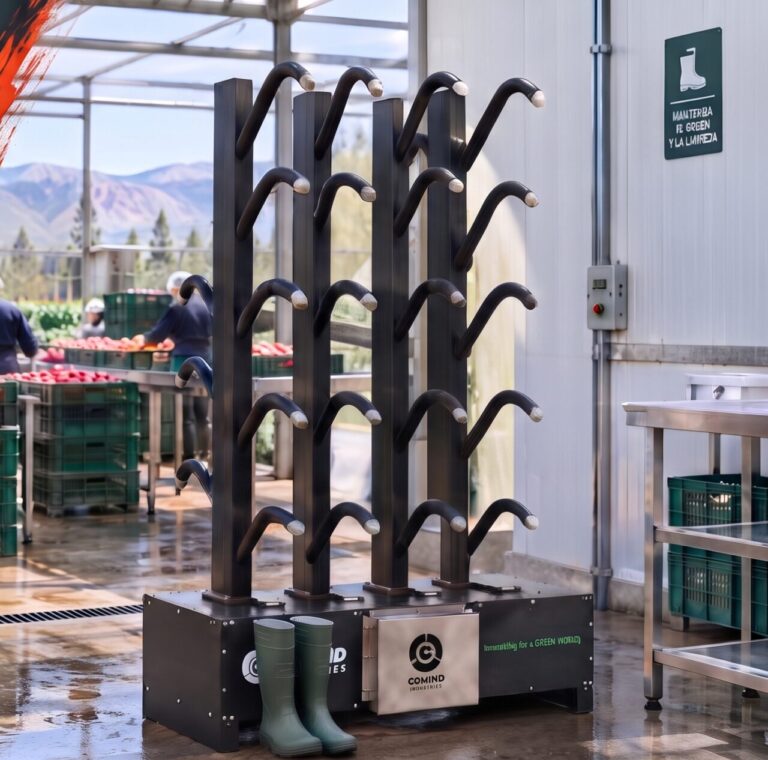
An industrial footwear dryer is an electromechanical unit designed specifically to remove internal moisture from heavy-duty safety footwear in record time. Unlike improvised or household solutions, an industrial-grade boot dryer is built to withstand continuous operation in corrosive environments.
Mechanism and technology
These units work with a high-pressure air blowing system distributed through multiple tubular arms or hangers on which the boots are hung upside down.
- Controlled heated air: the unit draws in ambient air, filters it and heats it with electric heaters to a controlled temperature (usually between 35 °C and 45 °C) so as not to damage the plastic or thermal components of the boot.
- Continuous flow down to the toe: the air is forced out right at the bottom of the boot, pushing the humid air out evenly.
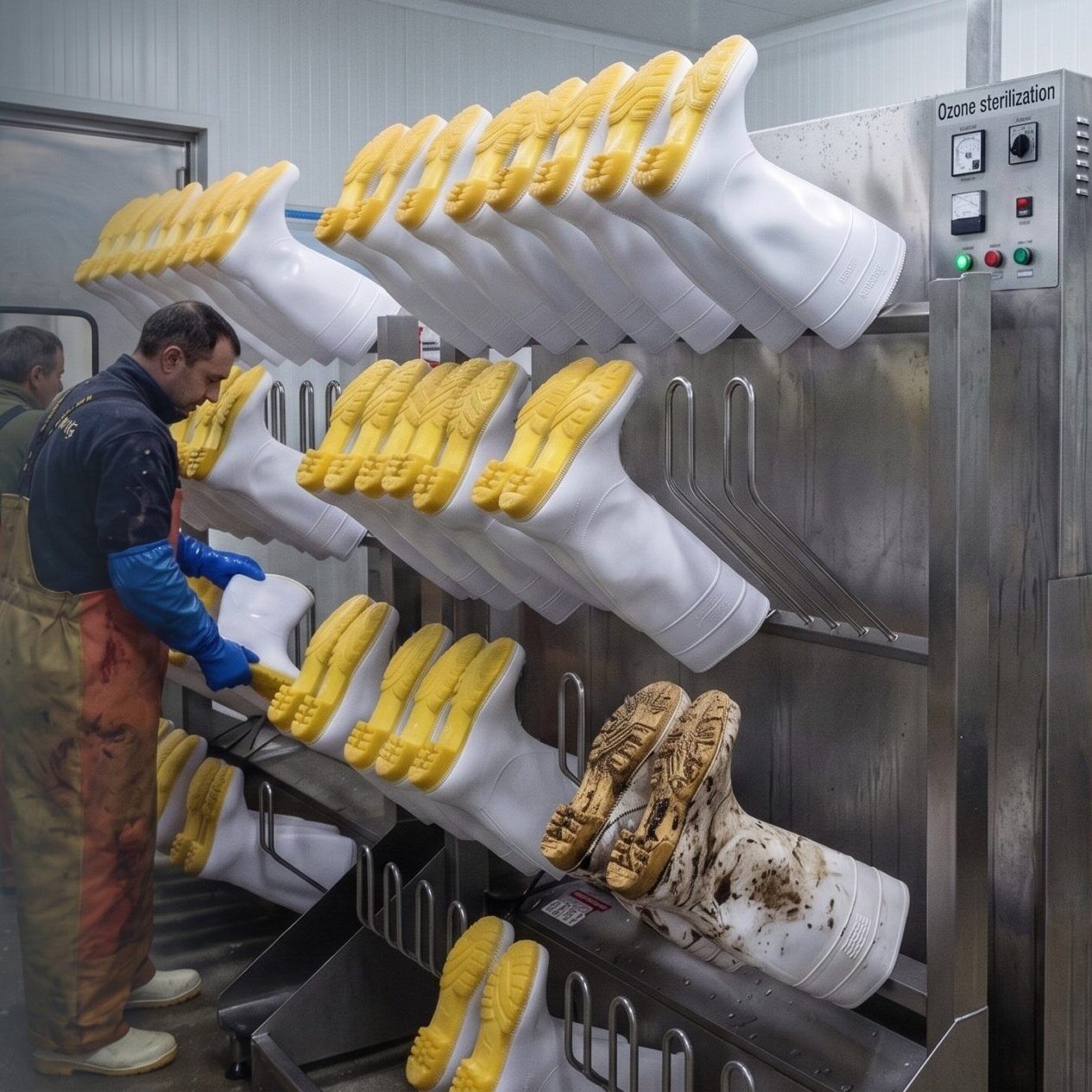
- Built-in disinfection systems: boot dryers can eliminate viruses, bacteria and fungi during the drying cycle.
Operational and productivity benefits for the salmon industry
For plant managers and operations managers, investing in high-efficiency equipment for salmon plants must translate into profitable metrics. Industrial dryers have a positive impact on two business fronts:
1. Industrial hygiene and strict sanitary control
In the salmon industry, biosecurity matters. Workers’ boots can become vectors of cross-contamination if they are not properly sanitized and dried. Industrial boot drying technology eliminates the microorganisms that thrive in the dark, damp interior of footwear, preventing pathogen hotspots that would put the plant’s international certifications (such as BRC or IFS) at risk. It also completely removes bad odors from locker rooms.
2. Time savings and operational efficiency
Time is a critical resource at shift changes. A high-performance boot dryer for salmon plants runs fast drying cycles (30 to 45 minutes), ensuring the next shift receives its footwear in optimal condition. This eliminates lost operating time from workers trying to dry their boots with improvised methods or delays entering the process lines.
Conclusion: operational sustainability and competitiveness in aquaculture
In today’s B2B industry, a salmon plant’s competitiveness is measured not only by production volume but by its ability to adopt solutions that simultaneously address operational continuity, food safety and people’s well-being. The industrial boot dryer is no longer a secondary detail of workwear but a strategic link in biosecurity and talent retention.
By automating this process with a boot dryer, companies protect their process lines against cross-contamination and extend the life cycle of personal protective equipment.
Discover our range of Comind industrial boot dryers. Designed for the harsh climate and operating conditions of salmon and aquaculture plants, our units deliver fast, efficient drying with automated disinfection.