Choosing an industrial heating blanket is not a minor decision. This equipment often runs in critical processes —holding temperature in IBCs, round drums, tanks or production lines— where a failure can mean anything from product loss to a real safety risk. So before buying, it is worth understanding one of the most important decisions any maintenance or purchasing team faces: a blanket custom-made by a specialized manufacturer, or a generic off-the-shelf imported blanket?
In this article we review the real differences between the two options, what technical information you should ask for, and why custom manufacturing —like Comind’s— can solve problems that generic blankets do not always address.
What is an industrial heating blanket?
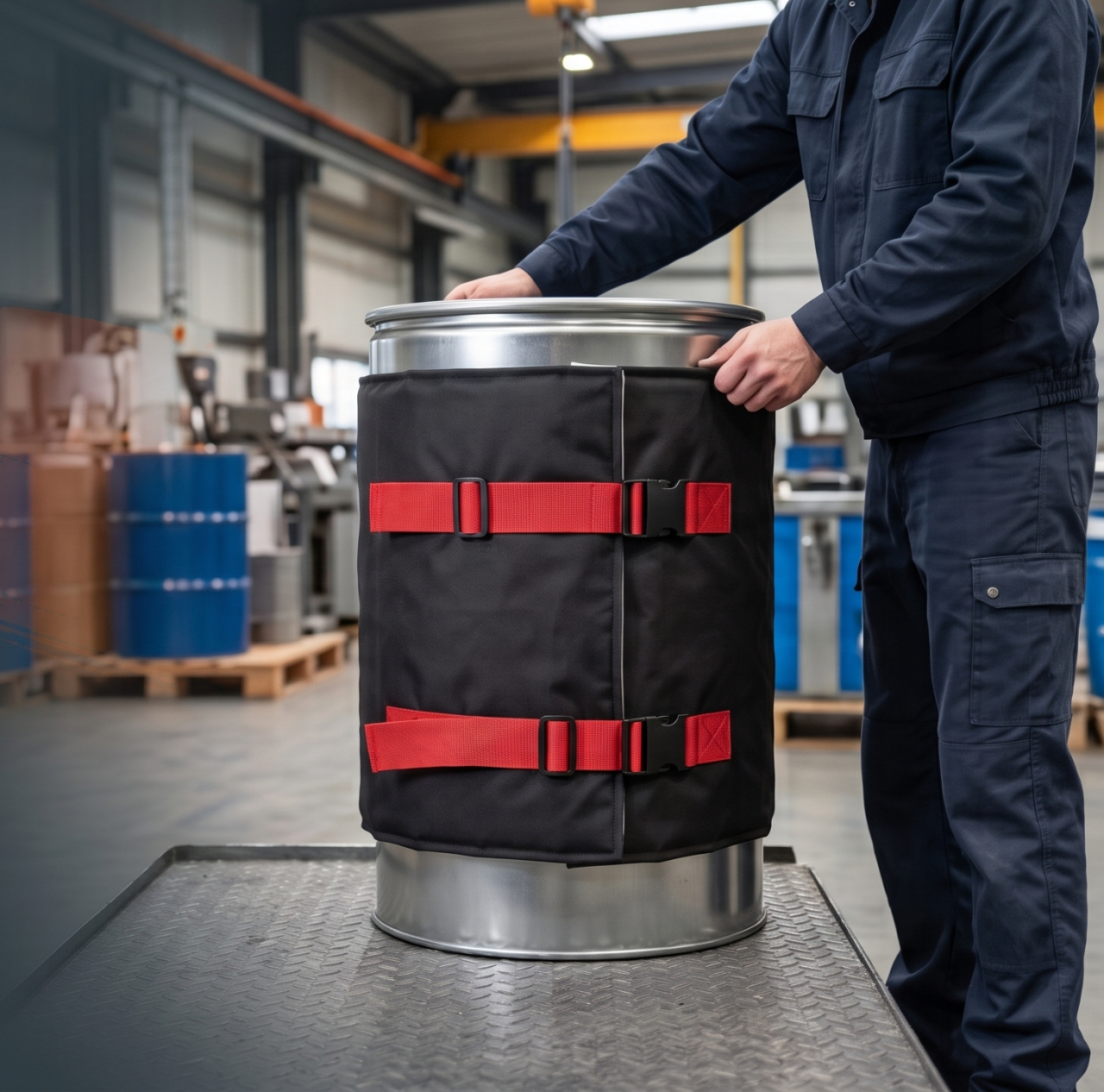
A heating blanket is an electric resistance heating system designed to wrap around or fit the geometry of a container —drums, IBCs, tanks, pipes— and transfer heat evenly to the contents. It is widely used in the chemical, food, oil, cosmetics and lubricants industries, where certain products must stay within a temperature range to keep their viscosity, avoid crystallization or make handling easier.
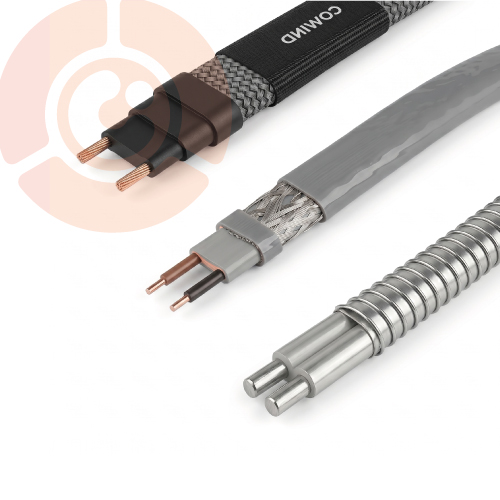
The heart of a heating blanket is its resistive element. In flexible blankets, this element is usually a heating tape (a resistance in tape or cord form), different from the rigid tubular elements used in other industrial heating equipment. The quality of that tape, its insulation, the outer fabric or coating and the temperature control system determine the service life, safety and energy efficiency of the equipment.
Custom-made vs. generic off-the-shelf blankets
1. Lead times and spare parts
A generic blanket often passes through several intermediaries before reaching the plant. If it fails or needs a specific spare part —a controller, a connector, a section of heating tape— there is often no one to ask, or you have to wait as long as the original purchase took. Buying directly from the manufacturer gives access to spare parts and replacements without intermediaries and, in many cases, made-to-order equipment tailored to the customer’s specific needs.
2. Fit to the actual container geometry
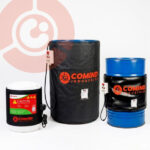
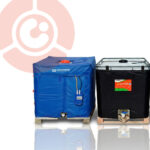
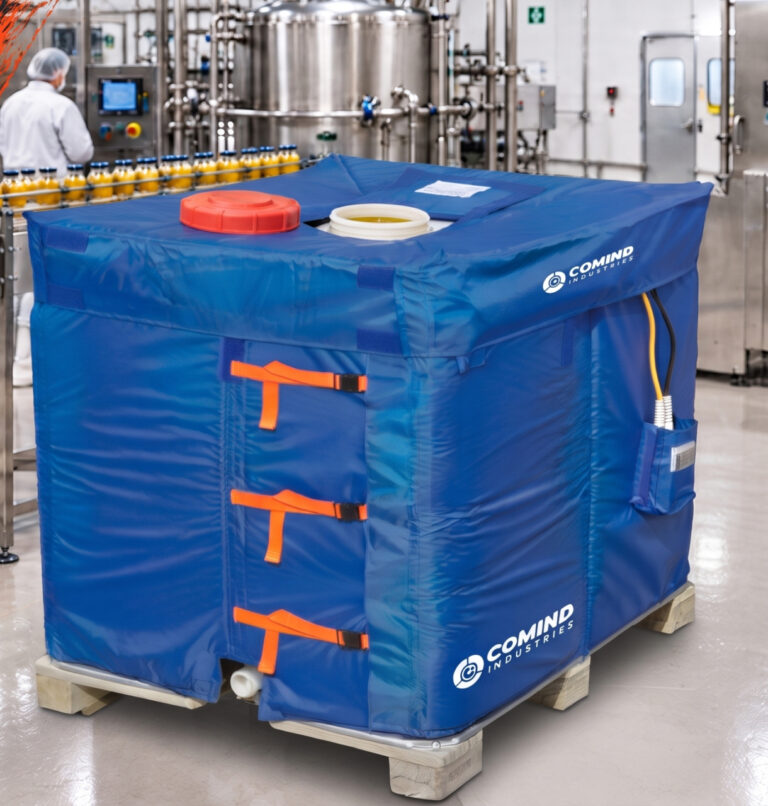
Not all drums are the same. There are standard round drums, but also IBCs (intermediate bulk containers) with rectangular shapes or reinforcements that make it hard to fit a generic blanket. When the blanket does not fit perfectly, cold spots, energy losses and premature wear of the heating element occur. Custom manufacturing adjusts the design to the exact size of the container, including made-to-order IBC and round drum blankets.
3. Quality and traceability of the heating tape
This is one of the most important points and often the least visible when buying. It is not enough for the blanket to “get hot”: the heating tape that generates the heat must be made of materials suited to continuous duty, with a properly calculated watt density and a coating resistant to abrasion, moisture and the chemicals found in industrial environments. A poor-quality tape leads to irregular hot spots, premature insulation breakdown and a higher risk of electrical failure.
Unlike rigid tubular elements —which in other equipment can carry a specific UL certification—, flexible blankets made with heating tape do not usually carry this type of certification, as they are a different construction technology. What matters is to ask the supplier for clear information on the origin and technical specifications of the tape used, the guaranteed working temperature range and the quality tests performed before shipping.
4. Temperature control and zoning
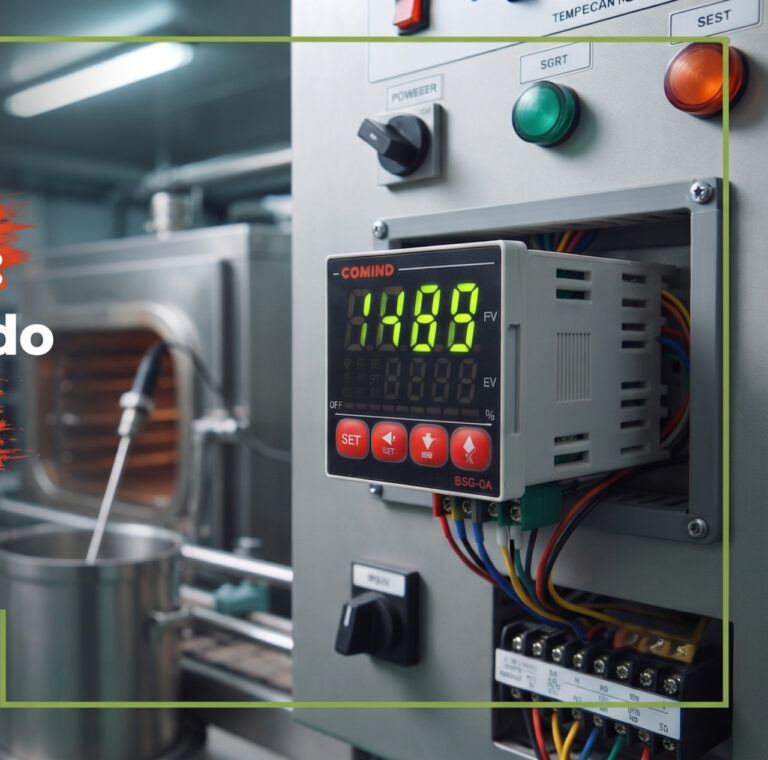
In processes where the container has zones with different thermal requirements, or where temperature must be monitored and adjusted independently in different sections, having one or more temperature controllers per section makes a real operational difference. It allows greater accuracy, lower energy consumption and extra protection against localized overheating. Generic blankets rarely offer this flexibility as standard, while a specialized manufacturer can configure the equipment for the customer’s process.
5. Technical support and warranty
When there is a failure, a technical question or a need for recalibration, dealing directly with whoever designed and built the equipment makes support much easier. Direct communication with engineering and the ability to review the case with people who know the design are advantages a reseller of generic equipment rarely offers.
What to ask before buying a heating blanket
Before deciding, ask the supplier for:
- Technical specifications of the heating tape used (material, working temperature range, coating resistance).
- Confirmation of whether the design fits the exact geometry of the container (round drum, IBC, tank or other) or is a generic size.
- Availability of made-to-order manufacturing, including options for zoned temperature control.
- Real lead times for delivery and spare parts.
- Country of manufacture and available technical support.
Custom manufacturing: Comind’s approach
At Comind we manufacture heating blankets at our plant in Chile and ship them across Latin America and worldwide, tailoring each unit to the customer’s real needs instead of offering generic solutions. Our blankets are built with industrial-grade heating tape, selected and tested to ensure stable performance in the temperature range each application requires.
We build blankets for round drums and IBCs, and develop made-to-order equipment with one or more temperature controllers per section for more precise control where the process requires it. The result is equipment built around your industrial process, with direct technical support from the people who make it.
Conclusion
The choice between a custom and a generic heating blanket should not be based on list price alone. Factors such as the quality and specifications of the heating tape, the fit to the container, zoned control flexibility and after-sales technical support have a direct impact on the safety, efficiency and service life of the equipment. Evaluating these criteria carefully —and asking for the relevant technical documentation— is the best way to make sure the investment actually solves the problem behind it.
Don’t leave your plant’s safety to chance. If you want to optimize your thermal processes with an expert manufacturer, contact us for personalized advice.