When temperatures drop, the oil in a hydraulic power unit (HPU) thickens, pumps struggle at start-up and actuators respond late. In this case study we show how COMIND solved hydraulic oil heating with low watt-density immersion heaters and a PID control loop, achieving faster start-ups without degrading the fluid.
Challenge: when the temperature drops, oil behaves differently
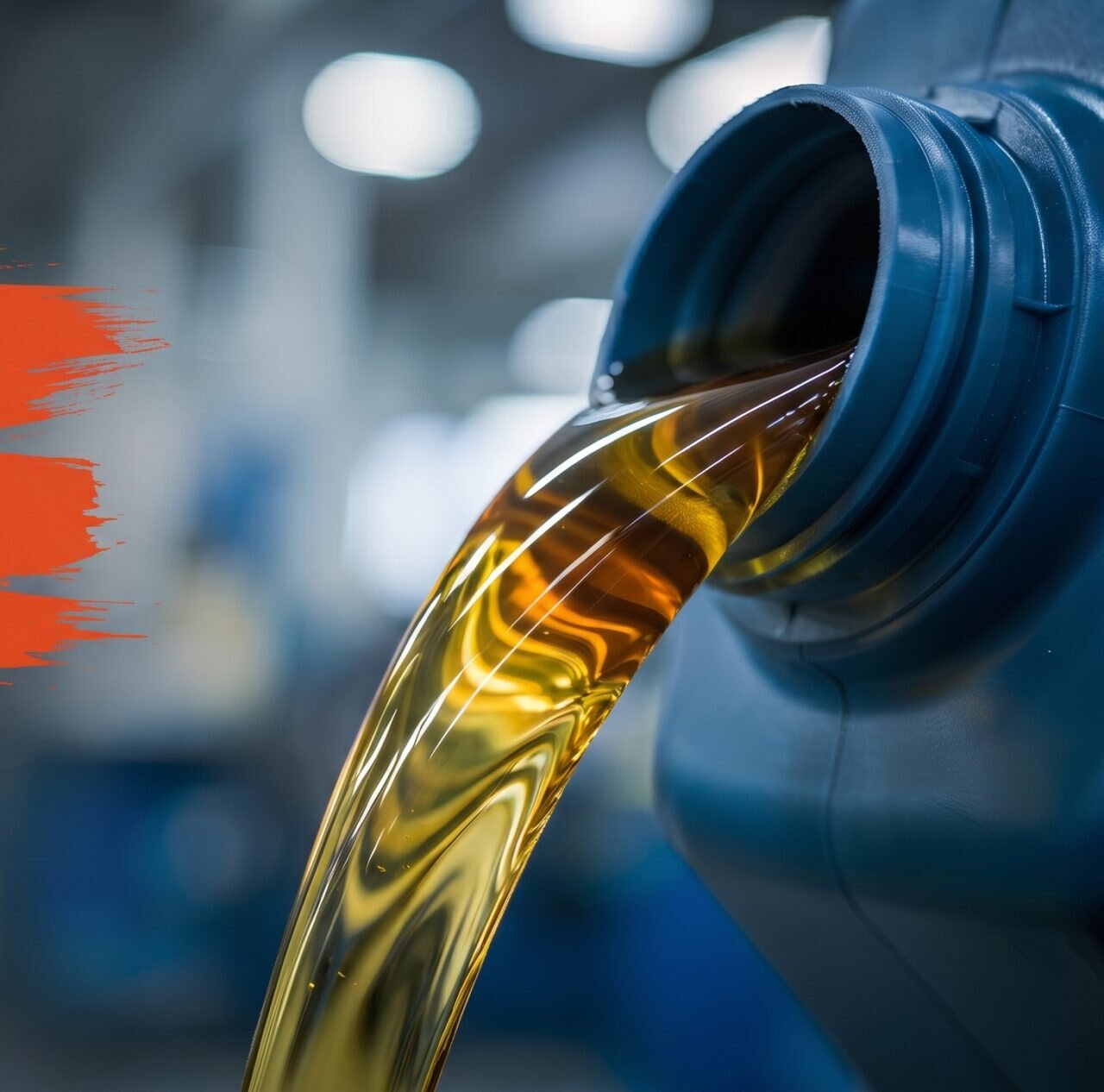
In a hydraulic power unit operating in a cold climate, oil viscosity rises significantly. Thicker fluid circulates with difficulty and directly affects pumps, valves and actuators.
The challenge was not just to heat. The reservoir had to be thermally conditioned without localized overheating, which carbonizes the oil and shortens its service life.
The 4 problems the operation faced
- Higher viscosity: high resistance to flow with cold oil.
- Demanding start-up: mechanical overload on pumps and motors at start.
- Slow response: unpredictable hydraulic performance at the actuators.
- More wear: risk of pump cavitation and premature friction.
Solution: direct, distributed and controlled electric heating
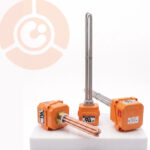
COMIND installed screw-plug and flanged electric immersion heaters designed with low surface watt density. Spreading the power over several elements distributes heat transfer and avoids hot spots in contact with the oil.
Low watt-density immersion heater for oil
The key to the design is limiting the W/cm² on the surface of each element. With a density of approximately 1.5 to 2.0 W/cm² (about 10–13 W/in²), the oil heats evenly and does not degrade through thermal cracking.
Accurate measurement with a Pt100 sensor
A class A Pt100 RTD, installed in a protective thermowell, measures the actual temperature of the fluid inside the reservoir.
PID control and safety protections
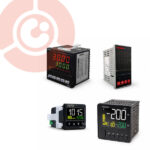
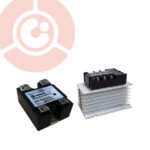
- Smart control: a digital PID controller modulates power through solid-state relays (SSR), contactors or thyristors.
- Level interlock: a low-level switch cuts the heaters if the oil level drops.
- Temperature limit: an over-temperature cut-out thermostat as a second barrier.
How it works: a simple control loop, well applied
The Pt100 sensor sends the temperature signal to the controller. The controller compares it with the set point and commands the power stage, which feeds the immersion heaters in the reservoir. The protections act independently depending on the application.
| Parameter | Technical specification |
|---|---|
| Heater type | Flanged or screw-plug electric immersion heaters |
| Surface watt density | Low, ≤ 1.5–2.0 W/cm² |
| Sheath material | AISI 316L / AISI 304 stainless steel or nickel-plated copper |
| Process sensor | Simplex or duplex Pt100 RTD, 3-wire |
| Control loop | Digital PID controller + SSR or thyristors (SCR) |
| Safety | Low-level switch + high-limit cut-out thermostat |
Results: more than heat, operational stability
Heating became part of the process protection strategy. These are the reported results:
- Up to 65% faster start-up: less waiting time for the hydraulic unit to reach its rated temperature in cold weather.
- Up to 40% longer oil life: low watt density eliminates hot spots and prevents thermal cracking.
- Predictable hydraulic response: pumps, valves and actuators work with a fluid with stable properties.
- Less mechanical wear: reduced cavitation and premature wear in vane and piston pumps.
- Higher system reliability: fewer cold-related stoppages.
Every installation is different
This case shows the principle of the solution, not a specification to copy. Sizing must be validated according to oil type, volume, ambient temperature, tank geometry, heat losses, power supply and safety conditions.
Is your hydraulic unit struggling with the cold?
At COMIND we evaluate your application and design the right hydraulic oil heating system for your process. Request a technical evaluation.
Download the full case study (PDF, English and Spanish).